
Rachel is a CPA & Foodie
Rachel Farris shares her journey as a passionate foodie and how her love of food connects her with people at work and beyond. She talks about growing up watching cooking shows, recreating dishes with her sister, and traveling specifically to try unique foods from around the world. Rachel reveals how documenting her food adventures on the Belly app helps her share recommendations and stay connected with friends and former colleagues. She emphasizes the power of food to build relationships, break the ice with clients, and foster a sense of community in any workplace. Rachel also encourages listeners to share their own interests at work, noting that people love to see others light up with passion. Her story is a vibrant reminder that who you are outside of work matters and can unify teams in meaningful ways.
Episode Highlights
· Rachel is a passionate foodie who travels specifically to try local dishes and recreates them at home. Food is a central hobby that lights her up both personally and professionally.
· She believes talking about personal passions like food helps build meaningful relationships at work, even bridging gaps between colleagues of different titles, generations, and backgrounds.
· Rachel emphasizes that being open about your interests and personal life at work can create trust and deeper human relationships, leading to better teamwork and mutual support.
· She shares that firms should create open spaces and events where people can share and celebrate their “And”s, showing that this positively impacts morale, retention, and overall culture.
· Rachel encourages listeners to share their unique hobbies or interests at work, saying people are more receptive and interested than you might think as it often leads to unexpected connections and memorable relationships.
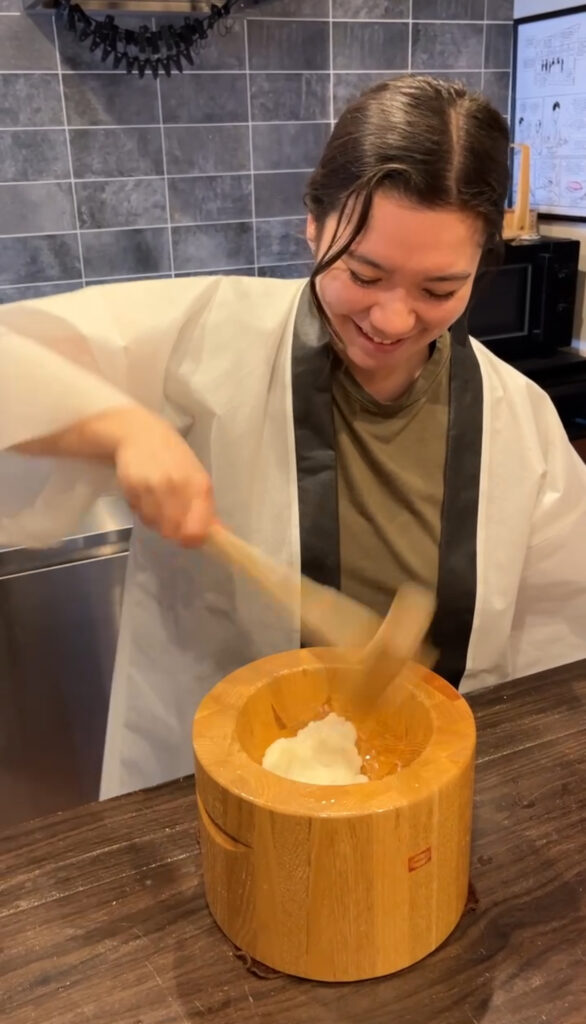
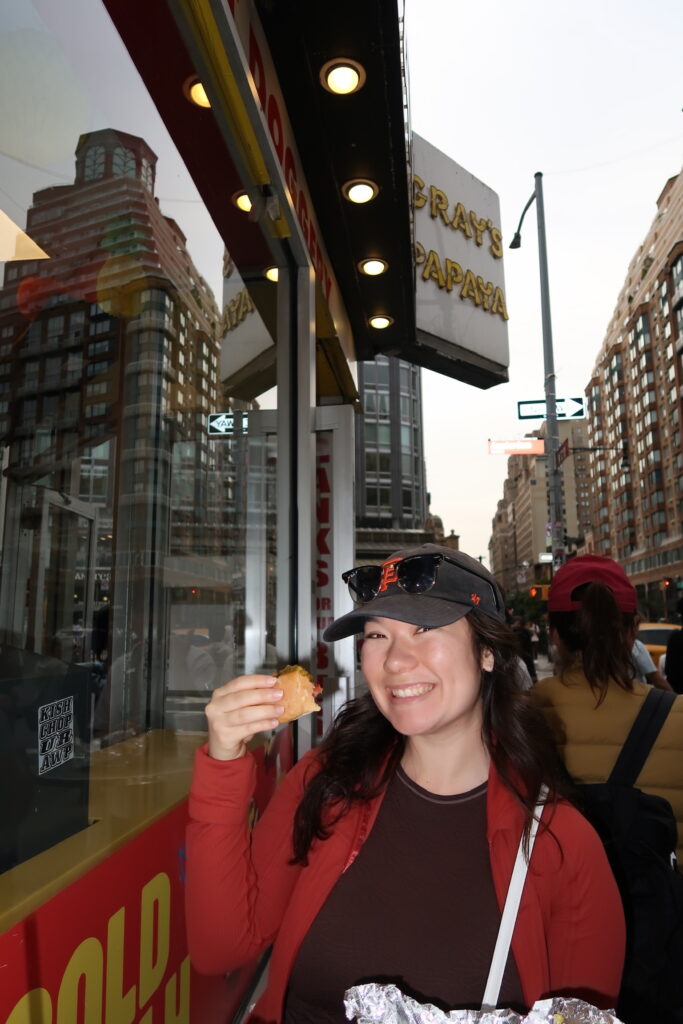
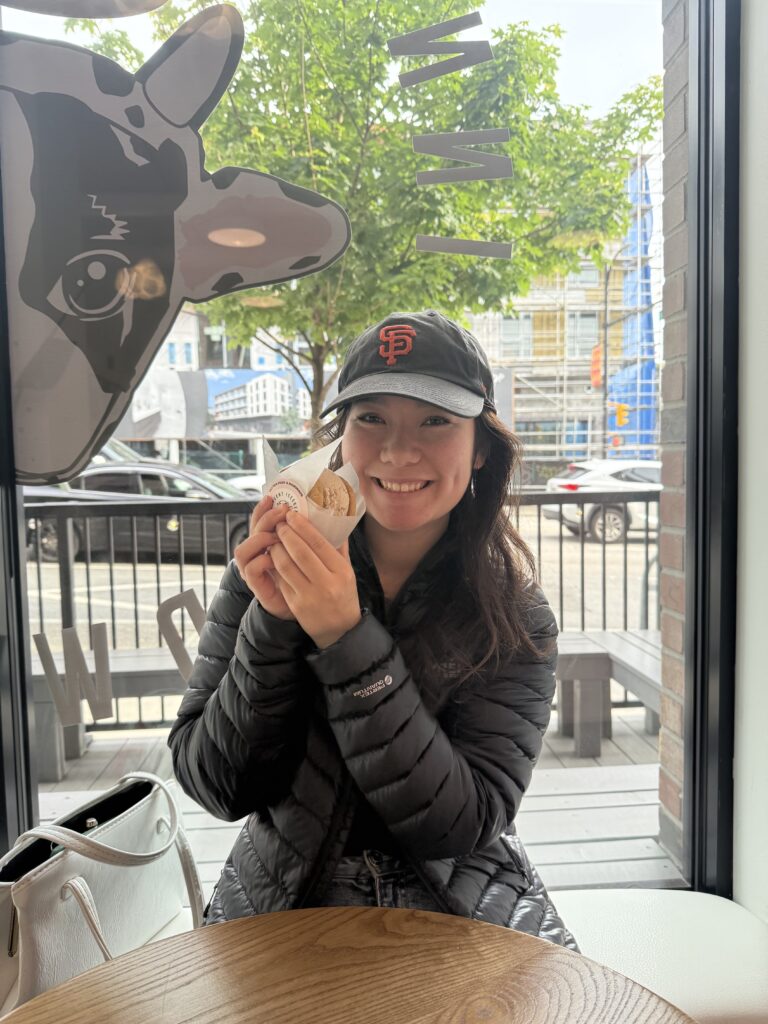
Rachel's Photos
Rachel's Links
Help Make Work Better
I need your help for 2 minutes to complete this important survey on work culture. Your anonymous responses will provide key insights to develop a new program for more positive and engaged teams.
Subscribe Now
 Apple Podcasts
 Spotify
 Podchaser
 Stitcher
 Overcast
 PocketCasts
 Acast
Acast iHeartRadio
 SoundCloud
Podcast Transcript
John Garrett [00:00:00]:
Hey, this is John Garrett. I’m passionate about making work more human, especially in this age of AI. I don’t just host this podcast, I also help organizations put people first. Through my keynote speaking, coaching and what’s your and implementation programs. To learn more or to connect with me on LinkedIn or Instagram, I invite you to join the movement@whatsyourand.com now let’s jump into this week’s conversation.
Rachel Farris [00:00:28]:
Hi, this is Rachel Farris and when I’m not being a foodie, I’m listening to John Garrett on what’s yous. And.
John Garrett [00:00:39]:
Welcome to episode 707 of what’s yous. And this is John Garrett and each Wednesday I interview a professional who just like me, is known for a hobby or a passion or an interest outside of work. And to put it another way, it’s encouraging people to find their and those things above and beyond your technical skills, the things that actually differentiate you when you’re at work. It’s the answer to the question of who else are you beyond the job title. And if you like what the show’s about, be sure to check out the award winning best selling book on Amazon, Indigo, Barnes and Noble Bookshop, a few other websites. All the links are@whatsyourand.com the book goes more in depth with the research behind why these outside of work passions are so crucial to your corporate culture. And I can’t say how much it means that everyone’s reading it and writing such great reviews on Amazon. Thank you so much for those.
John Garrett [00:01:25]:
It’s silly how much that matters and more importantly, changing the cultures where they work because of it. And if you want me to read it to you, that’s right, this voice reading the book, look for what’s your on audible or wherever you get your audio books. And please don’t forget to hit subscribe to the podcast. You don’t miss any of the future episodes. I love sharing such interesting stories each and every week and this week is no different with my guest, Rachel Farris. She’s the managing partner of Rachel Farriss CPA and the founder and CEO of Tax Stack AI out of the San Francisco Bay Area. And now she’s with me here today. Rachel, thanks so much for taking time to be with me on what’s your end.
Rachel Farris [00:02:02]:
Awesome, thank you so much for having me.
John Garrett [00:02:03]:
Yeah, this is going to be a blast. So much fun. I have some rapid fire questions. Get to know Rachel out of the gate here. So hopefully you’re buckled in and ready to go.
Rachel Farris [00:02:12]:
I’m so ready to Go. I’m so excited for this. Been looking towards it all weekend.
John Garrett [00:02:16]:
Okay. All right, here we go. Here we go. How about a favorite color?
Rachel Farris [00:02:20]:
Blue.
John Garrett [00:02:20]:
Blue, Solid. That’s a pretty popular one. It’s mine too, though, so that counts.
Rachel Farris [00:02:24]:
I mean, I think a nice clear sky. Nice blue sky. Nothing gets me happier than that. So it has to be blue.
John Garrett [00:02:30]:
There you go. How about a least favorite color?
Rachel Farris [00:02:32]:
Ooh, good one. I’m going to go with orange maybe. And I’m not talking sunset orange. I like sunset orange. I’m talking kind of like that standard rainbow orange. Not a huge fan of that. No one looks good in a jumpsuit orange, right?
John Garrett [00:02:46]:
Yeah. You’re usually in trouble if you’re wearing that color.
Rachel Farris [00:02:49]:
Exactly.
John Garrett [00:02:50]:
Would you say you’re more early bird or night owl?
Rachel Farris [00:02:52]:
Early bird for sure. Perfect night for me is I would be in bed by 9, 30, 10. I love being up early to get my day started. I am like, falling asleep by night. I feel like a child sometimes.
John Garrett [00:03:03]:
That’s awesome. No, it counts. I mean, you hit it hard in the morning, then of course you’re going to be tired by then. How about pineapple on a pizza? Is that a yes or no?
Rachel Farris [00:03:11]:
Huge fan of pineapple on pizza. Anything sweet, hot honey pineapple. I can get behind it every single day of the week. If you take me to one of those build your own pizza places, I will ask them to add extra pineapple, actually.
John Garrett [00:03:22]:
Oh, wow.
Rachel Farris [00:03:22]:
And I also like ranch on pizza, so I know ranch on pizza is a controversial, but I add everything.
John Garrett [00:03:27]:
Okay. All right. Yeah. Very cool. I love it. How about puzzles? Sudoku, Crossword jigsaw puzzle, wordle, maybe?
Rachel Farris [00:03:34]:
To be honest, I play them all. I am a huge puzzle person. I will say maybe sudoku over it. And I just say that because my partner and I have been playing the crosswords lately and we have not been able to complete a crossword in weeks. I’m telling you, we get 75% of the way through and we can’t do the last 25. So maybe I’m just not good at them. But I might prefer.
John Garrett [00:03:54]:
No, it’s. They make them super hard.
Rachel Farris [00:03:57]:
Oh, my gosh. I know. It’s like niche references from like the 40s. It’s like, who said this on the 1942 show XYZ? I’m like, I wasn’t alive then, so I have no idea.
John Garrett [00:04:08]:
No one was. Is alive now that who was, you know, then, like, who would know that.
Rachel Farris [00:04:12]:
You’Ve been crosswords from back then? 100%. So then I’m sounding it out in my head. I’m like. I was like, that has to be an I next to it. I’m making up words that don’t even exist. So let’s cross off crosswords. For me, that works.
John Garrett [00:04:26]:
I love it. But you enjoy doing them, and that’s all that matters, is that up to 75% of it. How about a favorite actor or an actress?
Rachel Farris [00:04:33]:
Ooh, that’s a little bit of a toughie. I would say right now I’m probably a pretty big fan of Timothee Chalamet. I’m gonna shout out my best friend for Timothee Chalamet. She is absolutely obsessed with him. And I actually really like his work. Like, his kind of innovative approach to acting has been great recently, but I don’t know much about him personally besides the fact that I was a fan of Dune and a few of the other shows where he plays, like, biopics, you know?
John Garrett [00:04:59]:
Yeah, yeah, it’s. It’s characters. I mean, that’s the thing with a lot of these. You know, it’s like there’s an off screen, but that’s a totally different thing. So, you know, it’s. It’s that. That totally counts. How about a toilet paper roll? You go over or under?
Rachel Farris [00:05:10]:
Over. And I think it’s criminal to go under.
John Garrett [00:05:13]:
Okay.
Rachel Farris [00:05:14]:
Every public restroom I’m in, if I yank the under, I rip out the whole roll. Everything’s falling on the ground. It has to be over so I can get the snap with it.
John Garrett [00:05:21]:
Oh, okay. All right. All right. There you go. That’s. There’s some satisfaction to that.
Rachel Farris [00:05:26]:
Yeah. I’ve actually, like, changed it in people’s houses before. Like, if I’m in there and I’m like, that looks wrong. I’ll, like, take it out, put it back over. No one’s ever commented anything, so sorry. If you’re listening and you’ve wondered how it changed in your house, it was probably me.
John Garrett [00:05:39]:
There you go. There you go. And the next level is. I’m calling the police from inside the bathroom. Like, Hey, 91 1, what’s your emergency? They have their toilet paper under. Like, it’s. It’s like, what? That’s funny. How about Star wars or Star Trek?
Rachel Farris [00:05:52]:
I’m going to go Star Trek. I don’t think I’m super knowledgeable about either, but I remember when I was younger, I watched a lot of Star Trek with my parents, and so I watched the old version. Old, old, old version. And so I. And they have a lot of really innovative things. I mean, being Asian myself, they had one of the first Asian Americans on screen. So I think there’s a lot of really great advancements with Star Trek. So I’ll give them props for that, definitely.
John Garrett [00:06:15]:
How about ice cream? You go in a cup or in a cone.
Rachel Farris [00:06:18]:
I feel like as I’ve gotten older, I’m a cup girly. And the reason I say that is I can’t eat it fast enough so it’s not melting. I think the pressure gets to me where I’m like, I. I’m locked in. I’m not talking to anyone for the 10 minutes it’s taking me to go through that versus a cup. I can, you know, go a little slower. You. I’m not like, licking the sides of it, so maybe it depends on the type.
Rachel Farris [00:06:39]:
If you could give me a cup and then put the cone on top, some places will do that. Huge fan of that work. That’s probably the ideal scenario for me.
John Garrett [00:06:46]:
That’s it right there. That’s exactly. You gotta sweet talk em a little bit. Oh, could you put a cone on top and then. Yeah, there you go. That’s. That’s how you do it. That’s exactly it.
John Garrett [00:06:55]:
How about a favorite cartoon as a kid?
Rachel Farris [00:06:57]:
Favorite cartoon as a kid? To be honest, my parents did not let me watch many cartoons.
John Garrett [00:07:02]:
Oh, okay. Okay.
Rachel Farris [00:07:03]:
I watched, like, sign language videos growing up.
John Garrett [00:07:05]:
Oh, all right.
Rachel Farris [00:07:06]:
But I think if you had to give me one, I would maybe say. There was this one on KPPs called a fetch with Ruff Ruffman, and it was a kids education show. And to this day, I still remember things I learned from it, like how a triangle is, like, the strongest shape when you’re building a house. So, like, all these different things talking about, like, building things. And they had this little cartoon dog. So I’m gonna go with Fetch with Ruff Ruffman because it was one of the few I watched and it was quite educational. And I still remember things watching it from when I was a child.
John Garrett [00:07:36]:
So that’s amazing. Like, all I learned from Coyote Roadrunner was, you know, don’t jump off a cliff.
Rachel Farris [00:07:42]:
Yeah.
John Garrett [00:07:43]:
Or, you know, Tom and Jerry. You know, it was like, oh, don’t eat the thing that the. The mouse gave you because it’s going to blow up in your face.
Rachel Farris [00:07:49]:
To be honest, as my kind of years came along, I think they were trying to throw some education in it, like learn the Alphabet at least. You know, those types of things.
John Garrett [00:07:57]:
Exactly.
Rachel Farris [00:07:58]:
How about.
John Garrett [00:07:58]:
Are you more oceans or mountains?
Rachel Farris [00:08:00]:
Ooh. I would say in general, oceans From San Diego originally. So huge fan. I’m not into surfing and all of that, but there’s something so peaceful about watching the sunset on the ocean. And I’m temperate weather person, so I like it when it’s warmer. I’m not a huge fan of the cold.
John Garrett [00:08:15]:
That’s true. Yeah.
Rachel Farris [00:08:16]:
Yeah.
John Garrett [00:08:16]:
Oceans you usually think of as being nicer weather. More heels or flats?
Rachel Farris [00:08:22]:
Flats. I’m so short, so most people are like, you should probably wear heels. But no, I can’t walk in them. I look like an elephant wearing heels. I’m staggering around, and to be honest, they hurt my feet. I don’t know why people wear them. You’ll see me maybe wear them twice a year now. That’s if I know someone’s taking pictures.
Rachel Farris [00:08:40]:
And I don’t want to be so much shorter than everyone else. That’s it.
John Garrett [00:08:43]:
All right, there you go. How about a more balance sheet or income statement?
Rachel Farris [00:08:47]:
Oh, I want to go balance sheet. I think there’s something about the balance sheet that just sits right with me. I think it’s the calmer choice of the two, and I think that it’s a little bit more steady, a little bit more relaxing. And I feel like I just always enjoyed assignments when I was in public accounting with the balance sheet instead of the income statement. So I’ll stick with that.
John Garrett [00:09:06]:
There you go. That’s a great answer. Do you have a favorite number?
Rachel Farris [00:09:09]:
Yes. Two.
John Garrett [00:09:10]:
Oh. Is there a reason?
Rachel Farris [00:09:12]:
I think it stems from the fact that when you’re younger and you play sports, the sizes of jerseys go by the numbers. So since I was always the smallest on the team, they were like 2, 3, 4 somewhere in there. I don’t like odd numbers, and 4 is very unlucky in Chinese culture. So 2 is kind of the next best option.
John Garrett [00:09:31]:
There you go. It’s even and it’s the small sizes. So there you go.
Rachel Farris [00:09:34]:
Exactly.
John Garrett [00:09:35]:
How about favorite season? Summer, winter, spring, or fall?
Rachel Farris [00:09:38]:
I’m gonna go spring, I think. Perfect temperature, not too hot. Things are green. It looks beautiful. Everything looks like that Microsoft home screen. That’s what I really enjoy.
John Garrett [00:09:48]:
Things are coming alive again.
Rachel Farris [00:09:49]:
100% wildflowers. So gorgeous.
John Garrett [00:09:51]:
Yeah, yeah. And the last one, the favorite thing you have or the favorite thing you own.
Rachel Farris [00:09:55]:
Oh, okay. I thought long and hard. I think that I really like this custom painted tray. I have my friend’s sister, I commissioned it from her, and it is this green Chinese dragon on a serving tray. And so since I’m very into food, I really like to serve, display kind of charcuterie boards or different things on it when I serve guests. And it’s a one of the kind piece and it kind of represents my culture as well. So I do love that.
John Garrett [00:10:18]:
That’s awesome. Well, let’s get into food. And is this something growing up where you always, I mean, obviously you would eat, but like, were you really picky and into it kind of foodie level as a kid, or is it more of later in life?
Rachel Farris [00:10:30]:
Less so. I feel like my parents didn’t cook too much, but we started watching cooking shows. I don’t know if you’ve heard of the show Chopped, but basically they give you a basket of ingredients. Right. For those of you listening that don’t know. And it’ll be something random like gummy bears and pickles, and then it’ll be like a pumpkin pie. And they’re like, okay, make an entree out of it. And so I used to watch it and I was like, that’s so cool.
Rachel Farris [00:10:52]:
So my younger sister and I growing up, we would do it ourselves. So we would each pick things from the kitchen and we’d be like, obviously we can’t use the stove because we were so young, but we’re like, okay, we’re gonna make something out of it. So we would be like mashing things in the bowls and mixing them all up. And then we would blind tape taste test it to our parents or we would try it ourselves. And obviously it was horrible. But I feel like that’s what got me into it. I was like, oh, wow. Like you can create things.
Rachel Farris [00:11:17]:
So, you know, over time I started slowly, started getting more into it, cooked a bit more, and high school, got into food then. And I feel like once I started getting my own money and I was in college, could make food, go out and eat food, I was like set with it. I started traveling just to try food. I started going looking at the best restaurants in every single city. And it became a goal for me that like I would look at menus, I would try and find the best places to eat in every single place I went. And so I think that started developing more when it was my money I was spending and it wasn’t my parents money. So yeah, it’s just become an addiction. Honestly, to this day, eating out and making food is a problem for me.
Rachel Farris [00:11:53]:
Right?
John Garrett [00:11:54]:
Yeah, but I mean, it’s a good problem to have because it lights you up 100%. And so when you’re traveling, you scout out ahead of time of restaurants, looking at the menus. I mean, you’re getting into Detail. I’m going to order this at this restaurant when I go three weeks from now. Type of level of planning, 100%.
Rachel Farris [00:12:11]:
If you go on vacation with me, you know that you’re probably not picking a restaurant. You can give me ideas of what you want to eat while you’re there, but most cases, I’m the one picking it. I will go to specific cities to try specific dishes. I will do research on. Oh, when you go to Japan, you know, you want to try this pudding. At this onsen town, they offer the pudding other places, but the pudding there is supposed to be the best. So I am really, really into figuring out different cultural foods and then also trying to recreate them too. It’s a element of one being a food critic and a researcher, but then also trying to recreate them later myself if I really like the dish.
Rachel Farris [00:12:47]:
So it’s been a huge phenomenon in my life for the past few years.
John Garrett [00:12:51]:
That’s amazing. Like, that’s a. You’re. You’re a reality show, like, waiting to happen. Like, I mean, it’s just like, yeah, travel with me, you know, like an Anthony Bourdain style of rip off.
Rachel Farris [00:13:00]:
Anthony Bourdain.
John Garrett [00:13:01]:
Yes, definitely. No, no, I mean, in your own way. I mean, that’s. That’s absolutely awesome. So do you have some favorites that come to mind? I’m sure this pudding from Japan sounds pretty amazing if you.
Rachel Farris [00:13:10]:
That was really, really. It was in Kusatsu, which is this onsen town that’s quite far to get to. But that was delicious, I would say. Other big highlights there was GYU katsu in Tokyo as well. That is like beef katsu. So they give you normally like a wagyu cut. It’s lightly breaded and fried, and then you actually cook the rest of it yourself on this little hot plate. And that was phenomenal.
Rachel Farris [00:13:33]:
One of the best bites of food I’ve ever eaten. I think another good shout out is I was actually in Nepal for a while and they have these momos. And I went to the specific place where this lady and her family have been making. Making momos for five generations. And so you got to see them handmaked on the spot. I actually got to twist a few on my own. Unreal. I mean, literally, for I think it was 25 cents, I had one of the best meals I’ve had in my life.
Rachel Farris [00:13:58]:
So all that different types of things. I love traveling around and trying it. Even if I don’t think I’m going to like it. I will try it. I’m Not a fan of beets, for example, Went to Australia. They eat beets on burgers. Who would have thought? I gave it a shot even though I didn’t think I was going to like it. So all these different things, I’m very about kind of cultural food in very niche areas and I will go to a country specifically to try certain dishes.
John Garrett [00:14:21]:
That’s awesome. That’s next level. I mean that’s definitely next level. But then you also food critic it a bit and leaving reviews and things like this as well to help others that are coming after you to know as well. And how did that get started of like, hey, maybe I should just share my opinions, help others.
Rachel Farris [00:14:38]:
Yeah. So I was on Yelp originally and I felt like that was a little too forward facing. It was affecting the restaurant’s kind of reputation where for me I really just want to share it among friends or keep it for myself if someone asks me for recommendation. So there’s this app called Belly B E L I and it is social media for food essentially. So you, they have an algorithm where you rank food against other places. So I don’t give it stars out of five or 10, I go through and I compare it to other places I’ve eaten. And so I’m like, would I rather go to this restaurant or this restaurant? This restaurant or this restaurant? So then it sorts it within my list. And so that’s what I started doing.
Rachel Farris [00:15:12]:
You can upload photos, just shares it to your friends, you can write little reviews on it. So it became a really great way for me to document at all the places I’ve been eating at. I have over 1500 or 1600 places ranked. I think there’s a few million users and I’m number 520 or something in the. Oh my gosh, I’m quite active on this app. It is a serious problem. People are always like, you’re eating all the time. I straight up would think about restaurants I had from childhood that maybe I haven’t had in 10 years and I would go back and be like, okay, I remember that dish from this place.
Rachel Farris [00:15:47]:
I’m now going to rank it on the app. So every place I’ve eaten at in my memory that I could find on this app, I rank on there. And it’s been great. You can sort by location, you can sort by dish, you can sort by like ethnic cuisine. So it’s a really great idea when my friends are like, hey, I’m in la, I want Korean food, can you give me some? I’m like, yes, sort Here are my examples of Korean food in la. Like, you can go eat at these places. So it’s really, really, really great.
John Garrett [00:16:14]:
That’s awesome. I mean, and that’s, that’s clearly a passion. A lot of people get wrapped up in it. It has to be a side hustle. It has to be income producing. It has to. No, no, no, no, it doesn’t. It just has to light you up, you know, and that’s, that’s really cool that, you know, this is a thing that you can’t not do, you know, type of a thing.
John Garrett [00:16:32]:
Like, I’m doing this, I have to do it.
Rachel Farris [00:16:34]:
Everyone that eats out with me knows right after the meal, I’m like, give me five minutes. I need to put this in my belly before I forget. So it is a cycle. Trust me. I’m not on my phone during the meal. I’m not one of those influencers that takes all the pictures. I take one snapshot, it could be the ugliest picture of the food possible. It’s just for the memory, just for the app.
Rachel Farris [00:16:54]:
And then I’m good to eat the meal, savor it and move on.
John Garrett [00:16:57]:
That’s fantastic. I love it so much. And I guess obviously people know this about you, like coworkers, clients, what have you.
Rachel Farris [00:17:06]:
100%. It actually something that’s bonded me with a lot of people. So I like to tell this story a lot. When I first started in public accounting years ago, I was talking to the partner who actually interviewed me and he was like, hey, hey, once you get your cpa, I know you’re a little bit of a foodie, but here are some restaurants that you should use your bonus for. Like, you know, you’re not making too much money. You should try these out. And so that was the first connection I really had with someone in a professional space about food. And I was like, you’re right.
Rachel Farris [00:17:33]:
So I went to Benu, which is a three Michelin star restaurant in San Francisco, focuses on Asian fusion cuisine. And I went back to him and I was like, that was a phenomenal experience. Please give me more recommendations. So I started building this personal relationship with someone that was leagues higher than I was, career wise, strictly off a food basis. And even my colleagues, I have some former colleagues, and while they were colleagues at the time, we had each other on Belly, that food rating app, when we would go to meals together. I feel like salad bowl culture is a really big thing right now. And so, you know, maybe sometimes I don’t always want to sell it. So a few of us would actually try different ethnic cuisines.
Rachel Farris [00:18:08]:
We’d go get Ukrainian, we’d go get Kenyan food, we would go get Laotian food. We would go try different things. And so it built a little bit of a community where we’re like, okay, where to get Hawaiian today? Going to get this today. So it wasn’t just the classic sandwich salad for lunch. And it’s been really great. It’s actually how I stay in touch with former co workers now is off this food ranking app or I post pictures on my story of food and they’re like, where was that? Like give me that recipe or what restaurant was that? So it’s been a really great uniting force. And you’d be surprised about how many people want to get into food more than they are. A lot of people don’t even realize where they live because they go to the old haunts.
Rachel Farris [00:18:46]:
Right. And sometimes they see something, they’re like, I didn’t even know that San Francisco had Ukrainian food. Like that would be so cool to try. And I’m like, yeah, they do. Here’s a great place to give it a shot.
John Garrett [00:18:56]:
It’s actually two blocks from where you.
Rachel Farris [00:18:57]:
Live, but anyway, yeah, it’s around the corner, but.
John Garrett [00:19:00]:
Right. That’s so cool though. But. But it’s amazing to hear that you’re able to create that human connection with a partner as a brand new staff over not accounting, but rather over, you know, a hobby, passion, interest, your. And obviously their. And also, you know, and that’s really bridges generational differences, bridges title differences, bridges dei like all the things. It’s a unifier.
Rachel Farris [00:19:26]:
Oh, a thousand percent. Yeah. No, it’s really cool. And it works past colleagues as well. I would even say with clients too. Now that I’m running my own practice in my own company. It is fantastic way to bond with people. You figure out what city they’re from, if you’ve eaten food there or where they’re going on vacation.
Rachel Farris [00:19:41]:
Have you eaten something there? Really great way to break the ice. Because I don’t know anyone that doesn’t like food now. There’s levels to it. Right. But I don’t know anyone that’s like, I just prefer not to eat in the day. So for the most part people are really welcome to talking about it or talking about, hey, you know, I’ll do things internationally. What’s the local cuisine in your area? Like, I’ve actually never been to, you know, working with someone from Bangladesh. Right.
Rachel Farris [00:20:04]:
Never been to Bangladesh before. Like what are some things that your family eats? People love to Talk about the things that mean a lot to them and a lot of culture and family and home and traditions really in food. So fantastic way to really get to know someone on a personal level.
John Garrett [00:20:18]:
Definitely. I agree totally. And it’s so cool that it creates this human connection that bridges so many different things. And have you always been open to sharing this side of you, or was there a part of you that was like, hey, maybe I should not let people at work know about this obsession with food?
Rachel Farris [00:20:37]:
I think I’ve always been pretty open, honestly. I think I’m quite an open book. I’m very extroverted. When a new person starts, I’m the first person that’s like, hey, let’s grab coffee. Like, I would love to talk to you. So I don’t think it’s ever been a really big thing for me, but I will say that it has increased in the amount that I bring out other things in my life. So while I maybe wasn’t too shy about food and things like that, there are more personal things where it’s like, hey, do I cross that line with that co worker? You know? You know, maybe I’m not having a great day and I want to talk to someone about it. Like, when you start building relationships off of other things, you’re able to kind of open that door a little bit more.
Rachel Farris [00:21:14]:
So I actually have some very, very close former work friends that I develop that connection through food with that I would consider very close, actual friends now. And so if it wasn’t for that opening, maybe I wouldn’t have opened up about other things.
John Garrett [00:21:28]:
Yeah, I mean, when we’re at work with someone, more waking hours than our friends and family. So why would we not want to have, you know, someone that we can rely on to just talk with, to open up with. And, you know, we all think that we have to have this suit of armor and show no weakness. And it’s like, no, no, we’re humans. Like, we’re humans every once in a while. Well, you know what? I’m having a bad day. Like, this sucks. I need to share this with somebody.
John Garrett [00:21:51]:
Like, I just need to get it off my channel. I just need to let this out. And that’s totally okay, you know, type of. Now it can’t be every day, five times a day, you know, oh, you broke up with someone else again this week. You know, like, it’s like, no, this isn’t drama. It’s just, you know, human. And so I love how you’re able to see that the benefits are there above and beyond just, you know, the work benefits, but just. Just, you know, having those human relationships matter.
Rachel Farris [00:22:16]:
Yeah, no, it’s so important. Listen, it’s not trauma dumping, right? But the whole idea behind it is, you know, sometimes it’s actually nice to let someone know something’s happening. I think it explains maybe why you’re not performing the way that you’re normally performing. It actually relates into things that work too. Hey, sorry I haven’t been able to review XYZ today. Had a hard day with XYZ happening in my life. Like, I’m gonna get to it later. Like, there are a lot of ways that make it.
Rachel Farris [00:22:40]:
It actually beneficial to your career to really start sharing things.
John Garrett [00:22:44]:
And I agree totally. It’s not trauma dumping at all, but it’s, you know, it’s just, you know, hey, right now I’m going through some stuff. I’m not looking for advice. I’m not looking for you to fix this. I’m just saying this might be a reason why things are a little bit off right now. I’m working on it. We’ll get there. You know, just a little bit of grace would be appreciated.
John Garrett [00:23:01]:
And you want to go get some good food.
Rachel Farris [00:23:05]:
It’ll make me feel better.
John Garrett [00:23:06]:
That makes everything better. There you go. Yeah. And so how much do you feel like it’s on an organization to create that space, Space for people to share their and. Or for leaders or it doesn’t matter. Like in the partner example, for leaders to display that rather than someone creating that circle amongst themselves?
Rachel Farris [00:23:24]:
I think it is really important. I think creating spaces that feel open, that you can humanize people, is super important. I think I see a lot of bigger firms attempting to make that effort. Right. We have affinity groups. You know, there’s Asian groups, there’s Latino groups. There’s all these different groups. And a lot of times, though, it feels a little bit too structured.
Rachel Farris [00:23:45]:
I think that there’s a lot of rules and regulations that come along with that. And I think the most successful examples are the ones that really let them kind of run free. I. One thing I actually, I used to work at ey, and I loved the fact that we could pick our own caterers for events and we could pick, you know, celebrate our. For example, I was in the Asian affinity group there, and, you know, we could celebrate Lunar New Year. We could celebrate these things. And I think a lot of that is on the firm, because who is going to have the budget and who’s going to have the time themselves to set that up in the office? So it is important that they dedicate resources towards that. It’s important that you actually get senior leadership involved as well.
Rachel Farris [00:24:20]:
One thing I really enjoyed is that I felt like we had people from staff all the way to partner, really assisting with this process. And because of you had that backward support for it, you got funding and you got those different things. Obviously there was financially difficult times and you have less funding. But that also means less connection in a lot of ways. I think human connection and how people feel at work and how open they feel about themselves actually directly impacts the work quality and it impacts attrition, it impacts the pipeline. And so. So really being able to open up spaces that feel comfortable for people is crucial and that lies at the top and it trickles down.
John Garrett [00:24:55]:
And I mean, the ROI of that is tremendous. I mean, like you said, I mean, all those things from, well, we don’t have a couple hundred dollars to have an event or whatever. It’s like, well, do you realize bad morale, bad pipeline attrition, all these things which cost hundreds of thousands of dollars per person because you wouldn’t spend a couple hundred dollars per person, you know, type of mentality is it? It blows my mind when I read stuff like that. You’re like, really? Come on now, you’re not broke. You guys are all right.
Rachel Farris [00:25:23]:
And they try to do some, like, versions of outreach, right? And I think this is where it gets. I mean, I’ll wait till I get to the food, right? You’ll have bagels for breakfast, right? I think that money would be so much better served in kind of an event or something cultural or something community related, having bagels for breakfast. People go in every single day, grab their bagel, go back to their desk. You need something that gets people going. And bagels aren’t gonna make people come office, but having something that makes them feel open, welcome, human is going to make them want to come into the office. So there’s kind of a misdirection of funds that really needs to happen.
John Garrett [00:25:54]:
Or if it’s, hey, Rachel, you’re in charge of, you know, this morning’s thing. And then you bring in a thing that lights you up that’s, you know, like, whatever, and then you can share with others. Well, then now I’m more inclined to ask you, what is this? Why this? Like, where did, you know, like, where’d you get this from? Type of a thing, as opposed to just bagels from the place around the corner where I go anyway, you know, that doesn’t mean anything. And just curious, like, when it comes to those affinity groups. Is there a difference between the affinity groups that are race related versus the affinity groups that are and related? So like, you know, the Asian affinity group versus a foodie type of affinity group. Are there, are there differences to that?
Rachel Farris [00:26:34]:
At least at the firm that I worked at, they had less interest based ones. But you could join like clubs. So you could join, hey, I’m going to play softball after work or I want to do dragon boat racing after work or things like that. Yeah, I would say it’s much more popular to do the affinity like race based, ethnic based ones than anything. I think it would actually really cool though to have kind of interest based groups though, because that combines people across all different areas rather than me being around a bunch of other Asian people who might already think similarly to me in a lot of ways. It could be really cool if you’re like, hey, once a week we have a club where we all go out to eat. People from different service lines, people from different whatever. We all like food.
Rachel Farris [00:27:11]:
I think that would be a great thing to see firms introduce. And that’s something you could do at the big firm, big four level. That’s something you could do at the small firm. There’s 10 people in the firm level. There’s so many ways to bring people together through that. And I think it’s actually a really missed opportunity. So I love that idea.
John Garrett [00:27:26]:
Well, I mean from what I’ve heard from clients or like ones that I’ve worked with on, you know, implementing like connected culture system type of stuff is, is that, you know. Yeah, if you create those around their ands, then that helps bridge those conversations. Because it’s not a room full of people that are the same backgrounds. It’s a lot of different backgrounds, but they have a common, you know, hobby, passion, human level connection. And then those other conversations now can happen a lot easier because, well, we, we’re all sitting down eating great food. Of course now we can then like you said, you create that connection. Then after that you can open up more about other things that you couldn’t necessarily before. So that’s cool to hear.
John Garrett [00:28:07]:
Like, yeah, I was just curious on that from your perspective.
Rachel Farris [00:28:09]:
So.
John Garrett [00:28:09]:
So this has been fantastic. But I feel like I should ask like, do you have any words of encouragement to anyone listening of like, you know, hey, I have an and. And I don’t think anyone cares. Cause it has absolutely nothing to do with my job.
Rachel Farris [00:28:20]:
I think people love to see people that have passion. I don’t care what it is. But if you’re passionate about something. I love hearing that, and I think more people are going to be open to that than you might think. So if you’re sitting here listening and you’re like, hey, I don’t know anyone in my office that really likes spear phishing. No one’s ever brought it up to me. They might think it’s weird that I, like, go out, they were in free dive in the ocean, yada, yada, yada. Who knows? Start kind of dropping little Easter eggs here, there, see the response to it.
Rachel Farris [00:28:49]:
I think you’re going to get a lot more people that are interested, even if they might not personally do it themselves, than you’d think. People love to learn about others and they want you to learn about them. So start off by getting to know maybe something they’re interested in. Right. And then introducing what you are interested in after. It’s a feedback cycle. Right. You can’t expect someone to come up to your desk and say, hey, what’s your.
Rachel Farris [00:29:08]:
And. Right. And as much as we would love for that to happen.
John Garrett [00:29:11]:
Yeah. One day.
Rachel Farris [00:29:12]:
One day. Super realistic. So I. I hope so. I hope so. But what is realistic is you being able to take that first step of action and being like, hey, like, what are your plans for the weekend? That’s always a great one. And when they ask it to you back, instead of just feeling, oh, you know, it’s going to be pretty busy, add a little bit more detail, add a little more flavor, and then as time goes on, you’ll slowly warm up to it. Now, I’m not saying break down 9 to 5 what you did all weekend, but definitely start adding a personal touch to it.
Rachel Farris [00:29:38]:
And I think it’s going to be very well received across the next.
John Garrett [00:29:41]:
Yeah, yeah. I mean, you just float something and then somebody. Wait, what? And then, okay, well, now grab a chair because you just asked. And now I’m allowed to open the floodgates. You know, you have a little picture, you have a little knickknack in your office, you have the wallpaper on your laptop, whatever it is. And then people get to see you alive and fully activated. And then like you said earlier, it’s infectious. Like, people want to see that.
Rachel Farris [00:30:02]:
Yeah, they really do. Humans want humans to be humans. So if you can make yourself seem like something outside of work besides just your title of manager or senior manager, I going to take you so much farther. 20 years from now, no one’s going to remember, hey, my manager who did this certain project and really liked the balance sheet or whatever they’re going to remember. Oh, yeah. I actually worked with a guy that loved collecting Pokemon cards. He was so into Pokemon cards. Right.
Rachel Farris [00:30:28]:
So those are the kind of human elements. And it’s going to last you so much longer for your career, networking, everything. Because they’re going to remember that tidbit about you much longer than they’ll remember who you were at work. Yeah.
John Garrett [00:30:40]:
I mean. Cause that’s who you are on a deeper level. Like more at your core. Like, who you are at work is just a small fraction of who you are. And I can confirm, like, out of all the guests on the podcast, if I go down the list, I probably couldn’t tell you half of their jobs or even what their, like, even realm of jobs, but I can tell you everyone’s. And for sure it’s just a whole lot easier to remember. And it makes more of an impact, 100%.
Rachel Farris [00:31:04]:
I mean, think about your friends. Do you know what they do for work? I don’t know what half my friends do for work.
John Garrett [00:31:09]:
I don’t even care.
Rachel Farris [00:31:10]:
I know what they like to do. Yeah. So that’s the way to go about it.
John Garrett [00:31:14]:
Exactly. There you go. So this has been so fantastic, Rachel, but I feel like it’s only fair that we turn the tables since I rudely peppered you with questions at the beginning. We’ll make this the Rachel Farris podcast. Yeah. So thanks for having me on. I booked myself. So what do you have for me?
Rachel Farris [00:31:29]:
Which guest has made you reflect the most about your own life in your own and.
John Garrett [00:31:34]:
Oh, wow, that’s an interesting question. They all do do to a degree, only because you just see them so alive and it’s like, man, what. What makes me this a lot? Like, do I look as alive as you do? Talking about food when I’m at a Notre Dame football game and I’ve seen pictures and yes, I think so. But you know, where it’s like, that guy’s crazy, you know, like this lady’s crazy about food, you know, But I feel like it’s our message collectively. And so it’s just cool to see, honestly, like, it’s kind of a cop out answer, but I can’t say one. It’s almost like we all just keep the ball in the air. And like every interview and every guest on the podcast is just yet another example of this manifesting in the world. And like coming under the tent and propping it up even higher and more tent poles.
John Garrett [00:32:30]:
And so I guess it, in that way it impacts me knowing what I’m doing makes a difference What I’m doing matters. What I’m doing is right. And so keep doing it. I guess the imposter complex keeps it at bay. Just knowing how many people are just very good at their jobs, but also love something else. And it’s so sad to me that the narrative default is, no, no, I’ll work all the time. And if you have anything, then you’re a trader and you’re not good at your career and you’re not dedicated. And then it’s like, these are all lies that we tell ourselves.
John Garrett [00:33:10]:
And so it’s really amazing just blowing that to smithereens. So I don’t know if that’s an answer or.
Rachel Farris [00:33:17]:
Okay, all right, 100% answered it for me. We’ll go to an easier question after. If you could live in a TV show, book, or movie universe, what would you pick?
John Garrett [00:33:25]:
Wow, that’s a great question. For some reason. What comes to mind? I mean, maybe it’s because it’s one of my favorite movies, but just Dumb and Dumber. It’s just so ridiculous. Like, you’re wearing these, like, giant ski, like, outfits with fuzzy boots and, like, it’s just Clown World. And you’re just being authentically you, and everyone’s all dressed up and nice and whatever, you know, like, and you’re just being you. I mean, I just love that movie anyway, but I think that that would be hilarious just to have the cajones, to just be like, yeah, you know what? It’s Halloween every day. Here we go.
Rachel Farris [00:34:03]:
I love it. That’s a fantastic answer. Okay, and then for my final question, what’s your favorite food or meal you’ve ever had?
John Garrett [00:34:11]:
I mean, it’s super easy to go back to, like, my mom’s lasagna. Although there is one unique thing that it came from my great grandmother, and then my grandparents always had it at, like, holiday meals. And it’s a. It sounds disgusting on paper, but I promise it’s so good. It’s lime jello with pineapple and cucumber and, like, diced onion in, like, lime jello. And it’s so good because the cucumber doesn’t really add too much flavor, but it just provides some crunchy. And the orange and the pineapple makes it really sweet. And then the lime jello.
John Garrett [00:34:49]:
No whipped cream? No. Like, that gets weird. It was just that, you know, it’s a thing, but it takes me back to childhood, takes me back to all that, and it takes me. It tastes amazing. I love it.
Rachel Farris [00:34:58]:
I’m gonna have to recreate that One. Now you added a whole new thing to my list.
John Garrett [00:35:01]:
Oh, there you go. Yeah. Add it to the Belly app. Who knows? But, yeah, I don’t even know if it’s a Swedish thing or if it just came. I don’t know if my great grandmother just made it up. I don’t even know. I mean, we’re going back over a hundred years. That’s always a thing that brings me joy to have.
John Garrett [00:35:18]:
For sure.
Rachel Farris [00:35:19]:
I love that. Well, thank you so much for sharing, and I’ll let you know if I ever make it how it turns out.
John Garrett [00:35:23]:
Yeah, for sure. And I’m happy to share the recipe with you. I mean, I. I know it’s out there on the Internet because I’ve seen it, like, other people do it too. So it’s like, oh, okay. Well, it’s not so weird, but there’s probably 20 of us in the world that do this, you know, type of thing. Well, thank you so much, Rachel, for being a part of the show and being a living example of what you’re in. It was so great having you be a part of this.
Rachel Farris [00:35:42]:
Awesome. Thank you so much for having me.
John Garrett [00:35:48]:
Yeah. And everybody listening. If you want to see some pictures of Rachel and enjoying her and at restaurants or connect with her on social media, be sure to go to www.whatsyourand.com. All the links are there, and you can also follow her on Belly app as well. And while you’re on the page, please click that big button. Do the anonymous research survey about corporate culture, and don’t forget to read the book. So thanks again for subscribing on Apple podcasts or whatever app you use and for sharing this with your friends so they get the message that we’re all trying to spread that who you are is so much more than what you do.