
Dan is a Founder & Cyclist
Dan Pontefract shares his journey from running to cycling, describing how age and an achilles injury led him to embrace mountain biking in British Columbia before switching to road cycling for safety as his family grew. His passion for cycling has taken him on memorable trips to Italy, France, Spain, and Napa, often alongside friends and family. Dan recounts a transformative ride in Victoria where seeing blooming daffodils inspired the metaphor for his book "Work-Life Bloom." He highlights how cycling nurtures creativity, offering space to reflect and generate ideas. Dan also draws leadership lessons from cycling, especially the concept of the peloton where leadership and teamwork rotate among members. He encourages others to define their own "declaration of purpose" to align personal values with both their work and life.
Episode Highlights
· Emphasized the importance of cycling in both personal life and as a metaphor for teamwork, leadership, and creativity.
· Shared how cycling trips have been a source of inspiration for new ideas and even led to writing a book, highlighting the value of unplugging to allow creativity to flow.
· Described the peloton in cycling as a model for shared leadership and collaboration, suggesting organizations can learn from this approach.
· Advocated for leaders practicing empathy through a “head, heart, hands” model to truly support and understand team members.
· Encouraged individuals to define and live by their own declaration of purpose, ensuring alignment between personal values and professional environments.
Dan's Photos
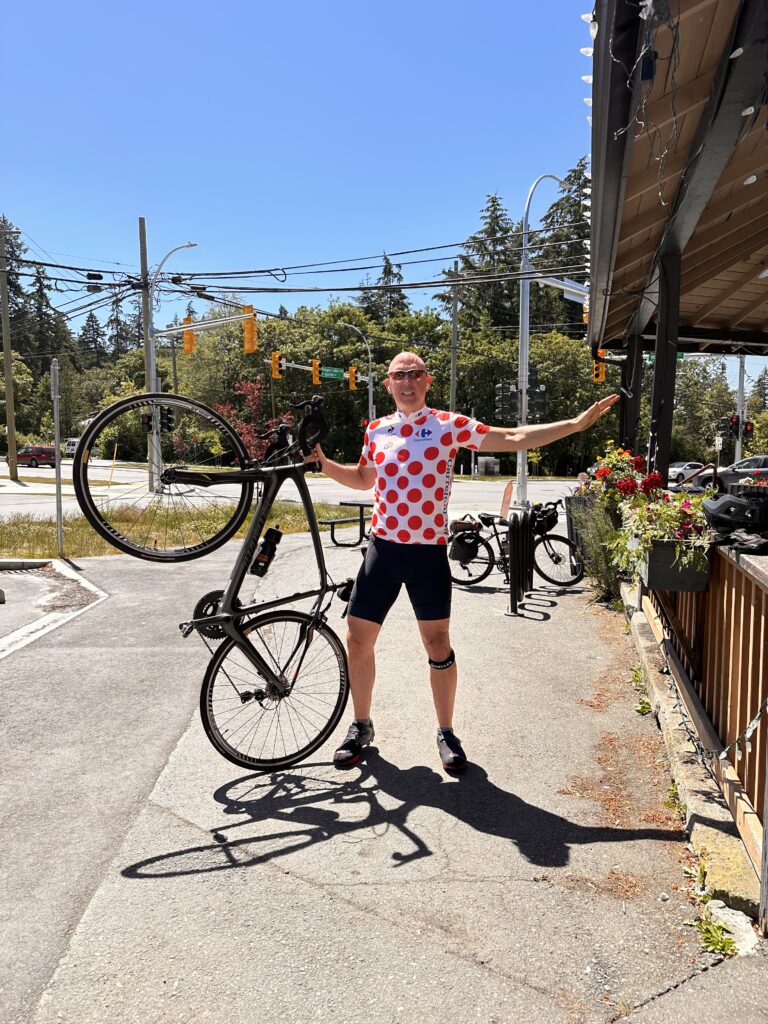
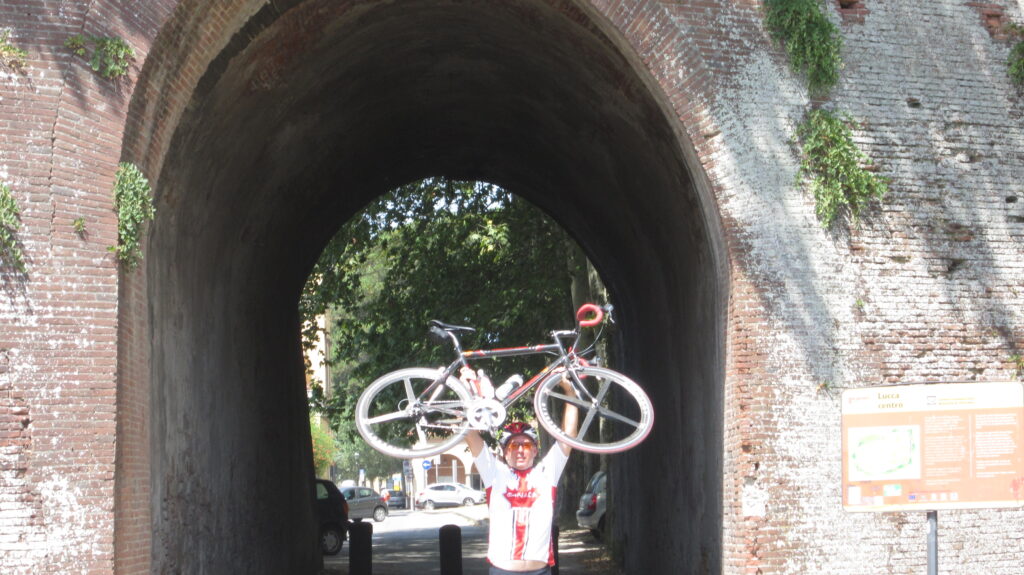

Dan's Links
Help Make Work Better
I need your help for 2 minutes to complete this important survey on work culture. Your anonymous responses will provide key insights to develop a new program for more positive and engaged teams.
Subscribe Now
 Apple Podcasts
 Spotify
 Podchaser
 Stitcher
 Overcast
 PocketCasts
 Acast
Acast iHeartRadio
 SoundCloud
Podcast Transcript
John Garrett [00:00:00]:
Hey, this is John Garrett. I’m passionate about making work more human, especially in this age of AI. I don’t just host this podcast, I also help organizations put people first through my keynote speaking, coaching, and What’s Your “And”? implementation programs. To learn more or to connect with me on LinkedIn or Instagram, I invite you to join the movement at WhatsYourAnd.com. Now let’s jump into this week’s conversation.
Dan Pontefract [00:00:21]:
This is Dan Pontefract, and when I’m not cycling or DJing my latest Apple Music podcast list, I’m listening to Johnny G, John Garrett on What’s Your “And”?.
John Garrett [00:00:38]:
Welcome to episode 741 of What’s Your “And.”?. This is John Garrett, and each Wednesday I interview a professional who, just like me, is known for a hobby or a passion or an interest outside of work. And to put it another way, it’s encouraging people to find their and, those things above and beyond your technical skills. It’s the things that actually differentiate you when you’re at work. It’s the answer to the question of “Who else are you beyond the job title?”. And if you like what the show’s about, be sure to check out the award-winning book. It’s on Amazon, Indigo, Barnes Noble Bookshop, a few other websites. All the links are at WhatsYourAnd.com. The book goes more in depth with the research behind why these outside work passions are so crucial to your corporate culture.
John Garrett [00:01:21]:
And I can’t say how much it means that everyone’s reading it and writing such great reviews on Amazon. Thank you so much for those. It’s silly how much those matter. And more importantly, changing the cultures where they work because of it. And if you want me to read it to you, that’s right, this boy’s reading the book. Look for What’s Your “And”? on Audible or wherever you get your audiobooks. And don’t forget to subscribe to the podcast so you don’t miss any of the future episodes.
John Garrett [00:01:40]:
I love sharing such interesting stories each and every week, and this week is no different with my guest, Dan Pontefract. He’s the founder of Pontefract Group and the author of The Future of Work Is Gray and several other books. He’s based out of Victoria, British Columbia, and now he’s with me here today. Dan, thanks so much for taking time to be with me on What’s Your “And”?.
Dan Pontefract [00:01:59]:
Johnny G, it’s good to be here. Thanks so much.
John Garrett [00:02:02]:
There we go. Taking me back to high school days. This is awesome. Yeah, no, this is super fun. I have 17 rapid-fire questions. Get to know Dan out of the gate here. I’ll start you out with an easy one, I think. Do you have a favorite color?
Dan Pontefract [00:02:15]:
Yeah, it’s green.
John Garrett [00:02:16]:
Green. Solid. I like that one.
Dan Pontefract [00:02:18]:
Green for go.
John Garrett [00:02:18]:
Oh, green for go. Nice. All right. How about a least favorite color?
Dan Pontefract [00:02:23]:
White, because it’s not a color.
John Garrett [00:02:25]:
Oh, it’s going to be angry. No, no, that’s for sure. That’s— yeah, because you’re right. It’s none of them. What’s the absence of? How about Sudoku, crossword, jigsaw puzzle, Wordle? I don’t know what else is out there now.
Dan Pontefract [00:02:38]:
Rubik’s Cube.
John Garrett [00:02:39]:
Oh, okay. Are you like really good at this?
Dan Pontefract [00:02:43]:
Yeah, got it down to 17 seconds, man. I am a, I’m a flying Rubik’s Cube freak show.
John Garrett [00:02:47]:
Holy cow, that’s amazing. Okay, that’s pretty impressive. How about more mountains or oceans?
Dan Pontefract [00:02:53]:
Well, I live in British Columbia, so both.
John Garrett [00:02:55]:
Yeah, you bragger. That’s it. Yeah, you do get both. That’s pretty awesome. Are you more talk or text?
Dan Pontefract [00:03:01]:
I am a talker.
John Garrett [00:03:02]:
Talker. Yeah, me too.
Dan Pontefract [00:03:03]:
Phones are meant to be used to talk on, not just text.
John Garrett [00:03:06]:
Right, exactly. I don’t get it sometimes when it’s like, if this is more than 2 back and forths, I’m calling you because this is taking too long. Like, this is dumb. How about, do you have a favorite actor or an actress?
Dan Pontefract [00:03:18]:
Well, my favorite actress just passed away. Catherine O’Hara, Canadian, uh, unbelievable talent, just, just incredible. As for actor, It’s Daniel Day-Lewis.
John Garrett [00:03:29]:
Oh, nice. Yeah. 2 classics. Yeah. Really great. Toilet paper roll. You going over or under?
Dan Pontefract [00:03:35]:
I’m going under.
John Garrett [00:03:36]:
Under. Yeah. Okay. All right. Yeah. You’re twisting it up here. All right. Maybe it’s a Canadian thing.
John Garrett [00:03:41]:
I don’t know. How about Star Wars or Star Trek?
Dan Pontefract [00:03:44]:
Oh my God. That’s not even a question. It’s Star Wars. These Trekkies, what the hell is it? The Trekkies are just weird.
John Garrett [00:03:52]:
That’s hilarious. For the toilet, for a lot of people, the toilet paper one is not even a question, but for you it was the Star Wars, Star Trek. That’s where it was like, What are you doing? Like, that’s awesome. That’s hilarious. Star Wars all the way for me too. Totally. How about your computer, PC or Mac?
Dan Pontefract [00:04:07]:
Oh my God. Again, is this a question? Mac. Mac.
John Garrett [00:04:11]:
Okay. I’m not cool enough to go into a Mac store. I look out from the outside and then they, they like point and laugh. But yeah, that’s great. How about ice cream? You go in a cup or in a cone?
Dan Pontefract [00:04:22]:
I want the cone, but then I have a cup because I usually like trip over it and it falls. So I have backup.
John Garrett [00:04:30]:
You can sweet talk them into giving They’ll even give you the cone on top for free sometimes, most of the time.
Dan Pontefract [00:04:34]:
Yeah, I agree.
John Garrett [00:04:35]:
Totally. That’s a professional move. You travel quite a bit. I know you speak as well. Planes, trains, or automobiles?
Dan Pontefract [00:04:41]:
Planes. Get me there fast, please.
John Garrett [00:04:43]:
OK, there you go. There you go. How about books? Since you’ve written several, are you more Kindle, Audible, real book?
Dan Pontefract [00:04:50]:
Real. Give me the tactile smell of formaldehyde as I turn the pages.
John Garrett [00:04:55]:
Right? Is that what that is? All right. Yeah, that’s awesome.
Dan Pontefract [00:04:59]:
That’s why I lost my hair. I read too much as a kid and it was the formaldehyde.
John Garrett [00:05:03]:
There you go! How about a favorite adult beverage?
Dan Pontefract [00:05:09]:
I’m Canadian, so we were brought up on beer. That would, for me, be a Phillips Fat Tug beer.
John Garrett [00:05:16]:
OK, very specific.
Dan Pontefract [00:05:18]:
I like it! A great IPA.
John Garrett [00:05:20]:
That’s awesome! How about a favorite number?
Dan Pontefract [00:05:23]:
7.
John Garrett [00:05:23]:
Is there a reason?
Dan Pontefract [00:05:24]:
Yeah! David Beckham, Manchester United. Eric Cantona, Manchester United. Cristiano Ronaldo, Manchester United. No. 7, baby!
John Garrett [00:05:33]:
Totally!
Dan Pontefract [00:05:33]:
That was my number.
John Garrett [00:05:35]:
As well, playing soccer growing up. But yeah, yeah, totally. I mean, 10 was the revered number, but I feel like 7’s sneaky.
Dan Pontefract [00:05:41]:
Sneaky. I wear 7 as well. 7 for the win.
John Garrett [00:05:45]:
Yeah. There you go. Do you have a favorite day of the week?
Dan Pontefract [00:05:47]:
You know what? I really like Mondays. I mean, it’s, I’m not a Mooptown Rat guy who like, I don’t like Mondays. I love Mondays cuz this is like, give her, like, that’s the day where you’re just like, this is Monday and let’s just give her. Yeah, let’s go. So big fan. Yeah. Never thought of it, but that’s a good question.
John Garrett [00:06:03]:
I like it.
Dan Pontefract [00:06:03]:
Yeah. Yeah.
John Garrett [00:06:04]:
And how about pens or pencils?
Dan Pontefract [00:06:06]:
Pencils.
John Garrett [00:06:07]:
Oh, okay. Are you going mechanical pencil or like old school?
Dan Pontefract [00:06:11]:
Well, I kind of like the taste of lead as well. Really weird. You’re chewing away on that pencil and it’s just like, oh, here’s a wake-up call. It’s kind of like, it’s like a hit.
John Garrett [00:06:18]:
Yeah.
Dan Pontefract [00:06:18]:
It’s not good for the bloodstream, but it’s a definite hit. But then again, I do believe that you make mistakes in life so you can erase things and that’s okay.
John Garrett [00:06:26]:
Yeah. I love that. That’s exactly it. And the last one, the favorite thing you have or the favorite thing you own?
Dan Pontefract [00:06:31]:
3 kids and a wife of 31 years. 23, 21, 19-year-old. Feel blessed, to be honest there, Johnny G, that, uh, I own the love of a family and it’s pretty reciprocal.
John Garrett [00:06:42]:
Congrats, man. That’s, that’s a perfect answer. That’s exactly it. So let’s talk— I’m sure we’ll get into soccer a bit, but, uh, let’s talk cycling. And how did that get started?
Dan Pontefract [00:06:52]:
Interesting. I never was a cyclist. I was a runner, mostly because, you know, I Played lots of team sports growing up, early 20s, early 30s even. And then I was like, well, I should, I should just run. So I kind of did the Forrest Gump thing and ran a lot. And then, uh, I was running, right? And then, uh, age catches up with you a little bit. And, uh, I saw and felt the weakening of the Achilles.
John Garrett [00:07:19]:
Yeah.
Dan Pontefract [00:07:20]:
And that was not fun in a marathon when you’re at kilometer 39 and you’ve got 3 to go and you’re like, Oh no, I’m finishing this, but I’m gonna destroy myself in doing it. So I hung up my, my boots and I said, I live in British Columbia, and I was like, why am I not doing cycling? Like, we have mountains everywhere. So I ended up being a mountain cyclist to begin with, and then started pumping out a few kids. And I was like, well, this seems dangerous. I, my, I don’t wanna, I don’t want a widow raising 3 children.
John Garrett [00:07:49]:
Right, right.
Dan Pontefract [00:07:50]:
All these crazy moves I was doing on the mountains. I was like, okay, um, maybe I’ll go on the road. And so I flipped over to road cycling. And then began coercing slash cajoling my wife Denise into bike trips in Italy and France and Spain.
John Garrett [00:08:07]:
Oh, wow.
Dan Pontefract [00:08:08]:
Yeah, we’d go for like 7-day trips, 7 to 10-day trips. And Napa was another great one we did. And then I did a couple of times with the boys. So we’d go on these big, long trips and I still do it now. Although now I’ve slipped over to— I must have 4 bikes. So it just sort of depends on the day and what I’m up to and where we’re going. And I just love it. It’s just a great way to get get out and see the world, also to do some really cool exercise.
Dan Pontefract [00:08:32]:
And then when you’re by yourself, if you’re not with people, I put the transparency mode on, but, uh, I might listen to some of my curated DJ playlists, and that’s where I get to learn about new music. And/or sometimes I do listen to books or podcasts.
John Garrett [00:08:48]:
No, that’s awesome, man. That’s, that’s so great. Yeah, I mean, in that you combine it with the travel as well, so it’s like, well, you know, it’s not just cycling around the same You know, roads where you live.
Dan Pontefract [00:08:59]:
Yeah. You don’t mind if I call you Johnny G for the rest of this?
John Garrett [00:09:02]:
No, I’m totally cool with it, man. I’m the underweight lover Johnny G.
Dan Pontefract [00:09:06]:
Uh, I love that. That was great. Best interview ever. Uh, yeah, I just met you, but now we’re lovers.
John Garrett [00:09:13]:
I mean, it’s what happens. I’m sneaky like that.
Dan Pontefract [00:09:15]:
Okay. So, um, but so what I do, you’re right, I do do a lot of traveling and, um, it’s fun-ish. Like some places you’ve been to, as you probably have, like multiple times, you’re like, okay, you’re kind of bored. whatever city it is. Like, uh, um, but when I get to go to new cities or I like the city, I’ll often rent a bike and, you know, go out for like a good ride in the city. If it’s like New York, I just go around Central Park a whole whack of times.
John Garrett [00:09:41]:
Yeah. Yeah. Right.
Dan Pontefract [00:09:42]:
Yeah. If it’s Toronto or Montreal, you know, I’m renting a bike and I’m going up Mount Royal and just having a grand old time. So yeah, it’s, uh, it’s fun, man. It’s a big part of me.
John Garrett [00:09:51]:
It’s a big part of you.
Dan Pontefract [00:09:52]:
Yeah.
John Garrett [00:09:52]:
I mean, that’s what I was going to say is like, you know, it’s, it’s something that like to ask you to not do this is like, cut off my right arm? Like, what are you— like, this is crazy. Like, why would I not do this? It lights my soul up.
Dan Pontefract [00:10:04]:
In fact, you know, another weird tangential story is, um, my 5th book. I’m not trying to plug a book, but I’m just saying this is a cycling story. So, so I’m on my bike and I’m noodling some concepts, uh, always right on my bike. And it’s just like, so it’s February in Victoria, British Columbia, which we live in kind of a rainforest. We don’t get Canadian winters. Like, it’s Quite beautiful, to be honest. It’s the first or second week of February, and I’m riding my bike and I pass by an absolute patch of gorgeous yellow daffodils. Now the rest of Canada is under snow, and so my friends and family are, and my American friends that live in the Northeast, et cetera, like they’re just like, you know, it’s winter, you know, it’s terrible.
Dan Pontefract [00:10:49]:
And I grew up there, so I know what it’s like. Anyway, so I stop and I literally stop and I kind of like did a Like a snowman in the daffodils, basically. I got someone to take a photo of me. But then what that basically did was I started thinking about plant life and flowers and vegetables, and that basically turned into the metaphor for a book that I called Work-Life Bloom. And so this whole idea of we all go through a generative cycle just like plants do on the seasons, and that you’re not always engaged, you can’t be balanced, blah, blah, blah. That was a bike trip where I found these daffodils and it became a book. Basically our metaphor.
John Garrett [00:11:29]:
That’s so great.
Dan Pontefract [00:11:30]:
Yeah.
John Garrett [00:11:30]:
‘Cause I mean, it’s, you’re able to release and unplug and just, you know, allow that creativity and that energy to come to you. Uh, you know, instead of forcing it, it’s, you’re able to receive ’cause you’re focused on something else. And, and also too, you know, it sounds like, you know, I mean, this is something that lights your soul up. It’s your most activated, you know, you’re, you’re, you’re most you there. So it’s like, oh, well, it’s not forced.
Dan Pontefract [00:11:55]:
I remember another trip, a cycling trip. So we’re in, uh, Lucca, Italy. And so we’re, uh, hanging out at the bike shop in Lucca, Italy. So the bike shop owner of Kronos is Palladino. So Palladino says, hey, you two want to go for a real ride? And we’re like, okay. So, um, he’s like, okay, let me, let me set you up with, uh, let me set up with someone. Like, okay. So we kind of wait, have coffee.
Dan Pontefract [00:12:17]:
It’s half an hour later. He’s doing what he was doing on his phone. And, uh, I didn’t realize that at the time, but, uh, Franco shows up and he’s like, Franco’s your guide today. Uh, this is Palladino. We’re like, that guy? And that guy was— had to be at least 75. And so we’re like, whoa. So this— we just automatically assumed it’s gonna be a slow ride.
John Garrett [00:12:38]:
Yeah.
Dan Pontefract [00:12:40]:
Oh my God. So Franco takes us— the first thing he does, we get out of town in Lucca and we end up to this climb that is a 10-kilometer climb up And he beats us. Like, he is, he is wind on the, on the slope. Get to the top and he looks around for a garbage can up there. He’s like, we go— he did have really good English. He’s like, now we go down. And we’re like, we know, but what is he doing? So he’s looking at his garbage can for newspaper. So he’s got newspaper and he hands us these sheets of newspaper.
Dan Pontefract [00:13:16]:
We don’t really know what to do with it. We see him, he shoves it, he shoves it down his shirt. On the inside, on the inside. And then he just says, like, basically do the same thing and follow me. So the old guys, you know, used to like use newspaper as windbreakers essentially as they’re going down the mountain on the other side. And now Franco just crushes us. Like he is going, I don’t know, like 80 kilometers an hour.
John Garrett [00:13:42]:
Insane fast. Yeah. Yeah. On a bike. Yeah.
Dan Pontefract [00:13:44]:
And then, you know, we did another kind of basically another 40K and then we, uh, flat-ish. And then we ended up back at the, at the coffee shop and Palladino was like, How’s that Franco, eh?
John Garrett [00:13:55]:
I want to grow up and be that guy. Like, that’s amazing.
Dan Pontefract [00:13:59]:
That’s what exactly we said. And so he just reminded me that you can— like, I’m riding a bike, you can meet people and get these great human stories as well. Yeah.
John Garrett [00:14:07]:
And they’re so important, man. I mean, it’s so awesome. And like, how much of this, the cycling side of you, plays into work? Obviously the idea generation side, but, you know, does, does any of this skill set or any of this mindset Well, you know, another really good point.
Dan Pontefract [00:14:22]:
So this is a really good reflection interview. You know, normally you, you go on book tour circuits and you don’t really have human conversations. This is Johnny G. You’re my new best friend.
John Garrett [00:14:32]:
Well, no, I appreciate it. I mean, this is just get to know Dan, you know, as a human, you know, like, and then how does that play into work?
Dan Pontefract [00:14:38]:
Hugh Dan, that’s what we’re going to call it. Hugh Dan.
John Garrett [00:14:40]:
There we go.
Dan Pontefract [00:14:43]:
So book 1, it’s called Flat Army, and that was written in 2011, 2012. And I was just basically making the shift. From, from running into cycling. And now I’m like really interested in sort of the mechanics of cycling, i.e., not just you as an individual rider, but when you’re riding in packs and how things like the Tour de France or the Giro d’Italia, like how does the whole teamwork thing work? And I had never heard of concepts like peloton or drafting and It became pretty evident to me as I started to research and learn more about cycling when you’re riding in a team about the concept of, of the peloton and how a peloton basically is a team group of whatever, 8, 10, 12 riders. And you, what you don’t see really that well on TV or even if you’re on the ground is the rotation of leadership that occurs when they’re moving from point A to point B. So not always is there an individual at the front doing the windbreaking, but they do this lovely rotation, you know, every kilometer or whatever it is. And they all take turns kind of at the front of being the windbreaker. And that just, to me, I use that story about, well, isn’t that what leadership is? Like, you can be in the front, but when you’re helping your team as the leader, shouldn’t you also say, hey, you have— you get time at the front.
Dan Pontefract [00:16:11]:
You’re gonna have time at the back. We’re gonna equally share who’s the chair of the meeting or who’s the prime for the collaboration activity, the project, whatever. So there’s metaphors as well that I started to unpack within the idea of the peloton and windbreaking and teamwork.
John Garrett [00:16:28]:
Yeah. And I mean, in that mindset, you know, that you bring to work is great because you’re able to describe it to people and use that metaphor. So then people can then also see the picture even though they’ve never been on a bike or ridden with the newspaper jammed up their shirt with some 75-year-old guy in Italy or whatever.
Dan Pontefract [00:16:48]:
Another one related to cycling often is, again, I think I captured this in the second book, which is you’re spending a lot of time on a bike, you’re outside, and you see wildlife. Birds is another thing that I started to make the connection with. So when birds, particularly Flocks, uh, not starlings, but I’m talking like Canada geese or, you know, sparrows or whatever. They operate very much like the Peloton. And so if you’re an ornithologist, you’ll know that the birds, when they’re traveling from point A to point B, operate what’s called a skein. And the skein is the V-shape that you often see in the sky.
John Garrett [00:17:26]:
Mm-hmm.
Dan Pontefract [00:17:26]:
Now again, you typically take a look up at the sky and you’re like, oh look, the birds are in a V formation again. But what they’re doing is the same thing as they’re doing in the Peloton. They’re actually taking rotation trips to the front of the apex and the skeen, as it’s called. And they’re sort of like, hey, Charlie, I got an issue with my left wing. Could I take time at the back? And like, no problem. And they do the rotation. I don’t speak bird, but I’m assuming that’s what those two were talking about.
John Garrett [00:17:53]:
Definitely. They use names from 100 years ago for sure.
Dan Pontefract [00:17:57]:
Mildred is up in the back. She’s like, can you guys slow down?
John Garrett [00:18:01]:
Come on. Yeah, but that’s exactly it. How much we can learn from nature and from, from things that, you know, like that we can apply to our lives to make, you know, life easier and better and more enjoyable is really awesome. Yeah. And I mean, I love how, you know, that part of you, you know, you allow it to come out on the work side, you know, because sometimes people keep it divided or like no one knows, or, you know, because I’m assuming people know the cycling side of you, or they hear about it, or they pick up a little bit of like, hey, I I think this guy rides so good.
Dan Pontefract [00:18:34]:
Or I’m unreachable because I’m on some, you know, 3-hour bike ride. Yeah, right.
John Garrett [00:18:38]:
There you go. Like, that’s exactly it. Or they hear you coming in with the clippy clappy shoes or whatever. Click, click, click, click, click. And not—
Dan Pontefract [00:18:46]:
well, so like today we’re recording on a Friday and like after this I’ll be on a bike. And at the end of that bike ride around 3:30, 4 o’clock, you know, I’ll be clippity cloppity clippity into the Penny Farthing Pub where Janice will be there waiting with my Guinness. And she’ll know, oh, Dad’s here. It’s time for Guinness time.
John Garrett [00:19:03]:
That’s exactly it, man. I mean, that’s, that’s what it’s all about, right? I mean, like, why not? And how much do you feel like it’s on leadership to create this space for people to share their ands, or how much is it on an individual to just start with their peer group?
Dan Pontefract [00:19:18]:
I have this theory that I call head, heart, hands. So it’s the 3 types of empathy. So head is cognitive empathy, heart is emotional empathy, and hands is sympathetic or sometimes called compassionate empathy. So what’s the head, the cognitive part is, When you get inside of someone’s head, you’re thinking what they’re thinking. You’re intellectually curious about what it is that matters to them from a thinking perspective. So it’s not feelings. Emotional empathy is feelings. So now you’re using your heart to get into sort of what matters to them from a feelings perspective.
Dan Pontefract [00:19:51]:
So the thinking one is like, maybe it’s geopolitical, maybe it’s their upbringing, maybe it’s their age, maybe it’s their degrees or lack thereof, like whatever it is, what are they thinking? And then what are they feeling? And then you put it together, use your hands. Can you do something about it? So there’s my math equation for you from a humanistic perspective. That’s what leaders ought to be doing. So they ought to be thinking, hey, what makes them tick? What’s their fears? What’s the situational awareness, essentially? Then what is the emotional context? And then what do I— what levers do I have to dial up, dial down, look out for so I can help that individual feel and think that they belong, that they matter, that they’re valued, that there’s something, et cetera, et cetera, right? And so that’s been my whole leadership shtick forever. It’s that you do have to pay attention to these signals, but if you’re just an idiot leader with your head in the sand and just assume because you have some fancy title that people will follow your orders, like, you’ve missed the boat on what leadership is in the 21st century.
John Garrett [00:20:51]:
Yeah. And I find too, like, so many leaders are, you know, well, we hired you for the technical skills. And it’s like, no, no, you hired a human being that has other dimensions. Also, and yes, the technical skills, but you get all the other parts too. So why not make sure that they’re all flourishing rather than just the technical skills piece? Yeah, it’s just wild to me when I come across those kind of leaders where you’re like, how are you still around? Really? 2026 is amazing. Like, this is crazy.
Dan Pontefract [00:21:22]:
And they’re not just around, you know, Johnny G, they’re flourishing. Yeah. There’s a lot of what I call— have you heard of the term dark empath before?
John Garrett [00:21:31]:
Oh yeah.
Dan Pontefract [00:21:32]:
Yeah, so the flip of what I just said, so the head, heart, and hands, right? The flip is the triad, and the triad is a combination of sociopathy, narcissism, and Machiavellianism.
John Garrett [00:21:44]:
Yeah.
Dan Pontefract [00:21:45]:
And those are, those are weirdos, but they’re in a lot of positions of power, and they don’t care about what I just talked about, the head, heart, hands. Like, it just doesn’t even fathom to them.
John Garrett [00:21:54]:
No, I mean, it’s, it’s, it’s literally, yeah, I mean, just a foreign language, or just like Like, what? Why would you even care what someone does outside of work? And it’s like, this is wild because they’re around you more waking hours than your friends and family. That’s probably why.
Dan Pontefract [00:22:09]:
I mean, I don’t know, like just an idea, you know, like give you some logic here. I don’t know.
John Garrett [00:22:14]:
Right. I mean, just, just brainstorming, spitball a couple ideas, you know, like type of thing. But, uh, but that, that’s, that’s so wild to me of what I hear that. And so do you feel like you have any words of encouragement to anyone that has an “And” but they feel like no one cares because it has nothing to do with my job?
Dan Pontefract [00:22:31]:
You know, one of the things I really, really urge people to do, it’s like some homework, is what I call the declaration of purpose. And so it’s an exercise you can do. It’s not that hard, right? You just basically say to yourself, well, what do I want to be known for? How do I want to be known when I enter or leave a room? What’s my own personal North Star? And when you go through the exercise of what words matter to me, how do I want to show up? How does Johnny G want to know how this interview went afterwards, right? Like that. But then once you’ve defined that declaration, that one sentence, two sentences, maybe it’s a bunch of words, then you have to ask yourself, well, am I embodying these? And so that’s your personal assessment. But then you actually have to ask yourself, am I allowed to be me in the place of where I work? And that’s twofold because it comes in two ways. One is, well, does the organization or the team, like both, does that Does that matter to me? Like, am I feeling valued with where I work? And does what my place of work do fit with my declaration of purpose? So if you work at a nicotine assembly plant and you’re sort of anti-cigarette, I’m not sure it’s a great place for you to be because that sort of personal declaration might not really fit. But the second one is your role. And so maybe you really love the organization or team you work for, but if you’ve misidentified or been misaligned with the role, the job that you have, Again, that declaration is going to be misconstrued or certainly misaligned.
Dan Pontefract [00:24:08]:
So one of the things I’ve done, when I was leaving a big company called SAP, kind of a tech company, leaving for a big telecom company called TELUS in Canada at least, and now it’s global, but I started a few bike rides in that spring, summer of 2008. I’m like, okay, I need to be I need— if I’m going to this big company over here and I kind of just left this SAP experience and it wasn’t that great because it was through an acquisition, it’s a longer story. So I came up with this idea on a bike ride, or several. It was like, I’m gonna declare my purpose. And so my purpose statement is, we’re not here to see through each other, we’re here to see each other through.
John Garrett [00:24:52]:
There you go, love it.
Dan Pontefract [00:24:53]:
And so this kind of guiding light Has shaped my relationship with Denise, the 3 kids, but also in my roles at TELUS as a solopreneur now, my, my clients. It’s like, I want to show up for you. I’m not going to just— I’m going to call you and not text you to one of your rapid fires, right? I want the relationship to be known as not as delicate, but that I don’t want to screw it up delicate. I want to know that you know that I’m there for you, and I hope it’s reciprocal. That to me is a step that I think many people should be doing is saying, who am I? What do I stand for? And is it something I can enact both in work and life?
John Garrett [00:25:34]:
That’s such great advice. I mean, what a way to stick the landing, man. That’s perfect. I mean, yeah, there it is. I mean, that’s it. So I feel like though, since I rudely peppered you with questions at the beginning, that it’s only fair that I turn the tables and make this the Dan Pontefract podcast. Doo doo doo doo doo doo. So I’m your guest.
John Garrett [00:25:53]:
Whatever you got, I’m here for you. I’m in the hot seat. So what do you want?
Dan Pontefract [00:25:57]:
Okay. Biggest fear from a workplace perspective.
John Garrett [00:26:01]:
Biggest fear from a workplace perspective, like when I worked in corporate kind of perspective?
Dan Pontefract [00:26:06]:
Yeah.
John Garrett [00:26:07]:
Oh wow, that’s a good one. I, I was a CPA, and so I think just routine was probably just like, oh, I’m stuck in this. Like, you painted me in this corner and now I’m like stuck in this doing the same thing every time. Like, it’s just like, I’m more creative. I have both brains going. So I need to be more on the creative side of things and, you know, creating, not necessarily creative accounting, but like creating, or like, how do we make this run more efficiently or better or, you know, more human? So I would say just getting stereotyped and put in a bucket. Of just like, this is who you are. It’s like, whoa, nope, you missed it.
John Garrett [00:26:53]:
I’ve got a whole bunch of other parts going on here that there’s no bucket for.
Dan Pontefract [00:26:57]:
They most definitely wouldn’t have pegged you with a CPA. You are oozing creativity and energy and vitality.
John Garrett [00:27:05]:
Well, I appreciate it. I mean, they’re out there. They just— it’s their end, so they feel the need to hide it. Or, you know, that’s— I have to play professional. So I have to act like what I think an accountant is supposed to be. And it’s like, no, no, you’re the accountant. That’s it. Like, you just have to be you.
John Garrett [00:27:22]:
You don’t have to— this isn’t a character from a show. Like, that’s stupid. That’s what I would say.
Dan Pontefract [00:27:27]:
Do I get to ask another one?
John Garrett [00:27:28]:
Yeah. Yeah. You got too much. Your show, man. So like, I’d say 2 more.
Dan Pontefract [00:27:32]:
I do have my own podcast, so that’s helpful that I can ask questions. I’m always, I’m always curious about people’s favorite mistake. that they learned from that fueled who they became today?
John Garrett [00:27:46]:
Having Dan Pontefract on the pod. No, I’m just kidding. Forget it, man.
Dan Pontefract [00:27:51]:
Like, what did I do? Why did I sign up for this?
John Garrett [00:27:55]:
I think that’s a bit of a— like, I like to certainly look at everything as it had a purpose anyway. So like a lot of my life was, in the moment, felt like a roller coaster, But when you look back, it’s actually a straight line. It couldn’t be straighter. You know, CPA. I mean, like, you know, I mean, I went to Notre Dame and I was going to be an engineer, like all in on that and just got destroyed by physics. And that’s kind of important to being an engineer a little bit. So, yeah, so I don’t know if that’s necessarily a mistake, but it— of going in being like, you know, but I was a super small high school where like, you know, we just didn’t send kids away to colleges, let alone Notre Dame. And so like, you know, I come in and, you know, kid across the hall has all these AP credits.
John Garrett [00:28:50]:
I only know AP as a college football poll. I didn’t know what AP credits even were. You know, so—
Dan Pontefract [00:28:57]:
Not in the Advanced Placement crew? What?
John Garrett [00:28:59]:
Totally not at all. Not at all. And, you know, like, I mean, we’re going in calculus and physics and chemistry I mean, these kids, it’s review for at least half of the semester. I’m hearing this stuff for the first time. So, you know, like it was just, it was a very uphill and, you know, I fought the good fight and I made it through calculus, chemistry. Okay. But physics just, just done. And so, yeah, but I mean, had that happened, then I certainly wouldn’t have gone to accounting.
John Garrett [00:29:26]:
I wouldn’t have gone to PwC. I wouldn’t have, you know, gotten into comedy. I wouldn’t have this, I wouldn’t be talking to you now. Um, you know, and so, I mean, I, I think it was, You know, I guess, I guess the mistake probably would be that, oh, I have a plan and this is how it’s going to lay out. That’s the mistake. And you quickly learn that no, no, everything happens for a reason and it’s all got a purpose. And then, you know, the, the more that you try and fight it, the, the harder it gets. So the more that you lean in, then all of a sudden now you’re going with street, with the stream, and you’re, you know, you’re, you’re now it’s enjoyable.
John Garrett [00:30:01]:
Now it’s life. Now you’re living. And you’re fully activated.
Dan Pontefract [00:30:04]:
And so I think, you know what, I’ve just realized that there’s probably a sequel to Rudy and it’s going to be called Johnny G.
John Garrett [00:30:10]:
There it is. I was in the marching band, so it’s the same field. Uh, like it’s the same thing. It’s just the band side of the story. Right.
Dan Pontefract [00:30:20]:
I mean, what a great sequel opportunity.
John Garrett [00:30:22]:
Let’s go more into the halftime show instead of the game. Like, let’s talk about that. Like, you know, the march to the stadium. Like, come on now. Like, without the Notre Dame Victory March, the game’s not the same.
Dan Pontefract [00:30:34]:
There’s the merch and then there’s the merch, right?
John Garrett [00:30:36]:
I see what’s going on. I see what’s going on here. You got the business brain. This is good. This is very good. Well, awesome. Well, thank you so much, Dan, for being a part of What’s Your “And”?. This has been really awesome.
Dan Pontefract [00:30:48]:
Johnny G, my pleasure. You’re my new bestie. Thanks so much.
John Garrett [00:30:52]:
Hey, that’s a huge honor. Everyone listening, if you want to see some pictures of Dan while he’s cycling or maybe connect with him on social media or check out his book, be sure to go to WhatsYourAnd.com. All the links are there. And while you’re on the page, please click that big button, do the anonymous research survey about corporate culture. So thanks again for subscribing on Apple Podcasts or whatever app you use and for sharing this with your friends so they get the message that we’re all trying to spread, that who you are is so much more than what you do.