
Taryn is an Engineer & Dancer
Taryn Tigges shares her lifelong passion for dance, which began at age four and carried her through years of ballet, tap, and competitive performances, including annual roles in The Nutcracker. She explains how dance was the only childhood activity she truly loved, drawn by its strong connection to music. Taryn describes the challenges of continuing with dance as an adult and her rediscovery of it through Impulse Dance and Fitness, a studio for adults where she found a supportive community and rekindled her love for movement. She contrasts the childhood era of dance with the personal fulfillment and intentionality of dancing as an adult. Taryn reflects on the flow state and focus that dance offers, highlighting how it complements her professional life as an engineer. She encourages others not to suppress their passions, noting that sharing outside interests at work fosters connection and shows that everyone is more than their job title.
Episode Highlights
Taryn's Photos
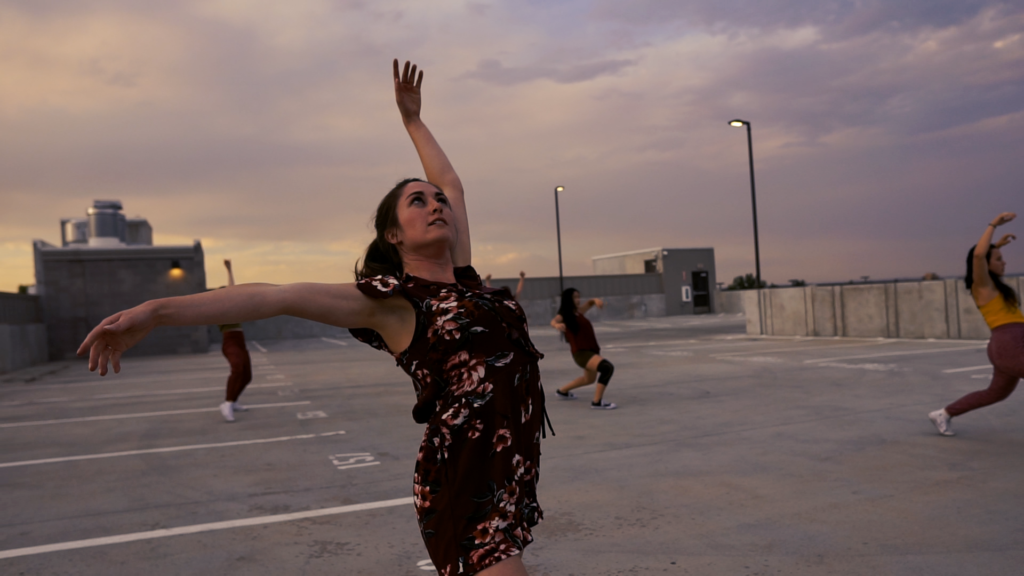
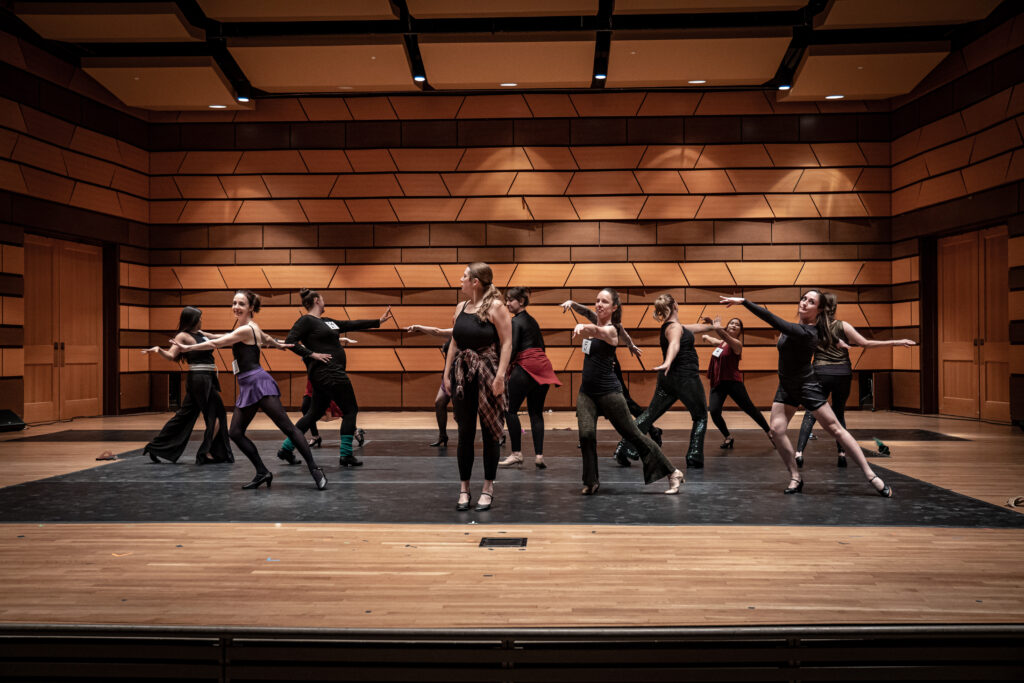
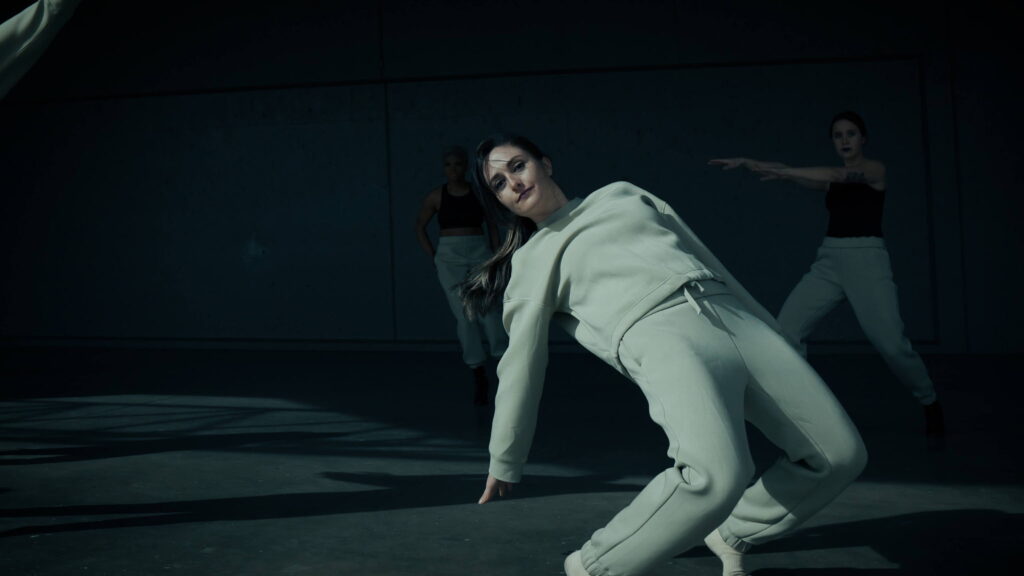
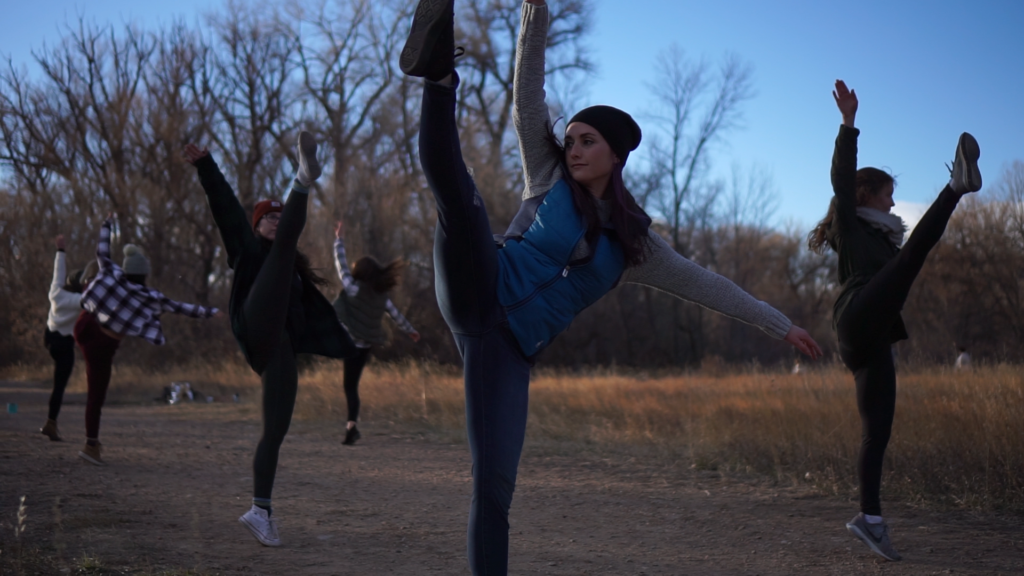
Photo Credit: Andrew Sutcliffe
Taryn's Links
Help Make Work Better
I need your help for 2 minutes to complete this important survey on work culture. Your anonymous responses will provide key insights to develop a new program for more positive and engaged teams.
Subscribe Now
 Apple Podcasts
 Spotify
 Podchaser
 Stitcher
 Overcast
 PocketCasts
 Acast
Acast iHeartRadio
 SoundCloud
Podcast Transcript
John Garrett [00:00:00]:
Hey, this is John Garrett. I’m passionate about making work more human, especially in this age of AI. I don’t just host this podcast, I also help organizations put people first. Through my keynote speaking, coaching and What’s Your “And”? implementation programs. To learn more or to connect with me on LinkedIn or Instagram, I invite you to join the movement at WhatsYourAnd.com. Now let’s jump into this week’s conversation.
Taryn Tigges [00:00:27]:
Hi, this is Taryn Tigges and when I’m not doing triple pirouettes in the dance studio, I’m listening to John Garrett on What’s Your “And”?.
John Garrett [00:00:35]:
Welcome to episode 727 of What’s Your “And”?. This is John Garrett and each Wednesday I interview a professional who, just like me, is known for a hobby or a passion or an interest outside of work. And to put it another way, it’s encouraging people to find their “And”, those things that actually differentiate you when you’re at work. It’s the answer to the question of who else are you beyond the job title. And if you like what the show is about, be sure to check out the award winning bestseller on Amazon, Indigo, Barnes and Noble bookshop, and a few other websites. All the links are at WhatsYourAnd.com. The book goes more in depth with the research behind why these outside of work passions are so crucial to your corporate culture. And I can’t see how much it means that everyone’s reading it and writing such nice reviews on Amazon and more importantly, changing the cultures where they work because of it.
John Garrett [00:01:26]:
And if you want me to read it to you, that’s right, this voice reading the book, look for What’s Your “And”? on Audible or wherever you get your audio books. And please don’t forget to hit subscribe to the podcast so you don’t miss any of the future episodes. I love sharing such interesting stories each and every week. And this week is no different with my guest and friend, Taryn Tigges. She’s a floodplain manager, stormwater engineer with the city of Fort Collins, Colorado. And now she’s with me here today. Taryn, thanks so much for taking time to be with me on What’s Your “And”?.
Taryn Tigges [00:01:54]:
And thank you so much for having me. I’m excited to be here.
John Garrett [00:01:57]:
Yeah, this is going to be a blast. We’ve hung out a lot but never, I’ve never asked these kind of questions before so these will be fun. And yeah, just to talk more about dance. It’ll be really cool. So I’ll start you out, I think probably an easy one. Do you have a least favorite vegetable?
Taryn Tigges [00:02:15]:
Oh, celery.
John Garrett [00:02:16]:
Celery. Okay, interesting. How about puzzles? Sudoku, Crossword, Jigsaw puzzle?
Taryn Tigges [00:02:22]:
Uh, definitely Sudoku because of the numbers.
John Garrett [00:02:24]:
There you go. That’s how I do my tax returns, actually, so. Actually, the statue of limitations hasn’t passed no one listen to that. How about a favorite color?
Taryn Tigges [00:02:33]:
Forest green.
John Garrett [00:02:35]:
Oh, okay. So like a dark hunter.
Taryn Tigges [00:02:37]:
Yep.
John Garrett [00:02:38]:
Yeah. Yeah. Okay. How about a least favorite color?
Taryn Tigges [00:02:40]:
Probably anything neon. Like neon orange.
John Garrett [00:02:43]:
Oh, yeah, yeah. It’s a little too much. Yeah, like dial it down there. Like it’s like a color that’s too excited. It’s like, I’m not this excited. Like, you should stop.
Taryn Tigges [00:02:52]:
You don’t see that anywhere in nature. You know, it’s just.
John Garrett [00:02:55]:
That’s a good point. That’s. Yeah, the opposite. How about talk or text?
Taryn Tigges [00:02:59]:
Text. I’m a millennial, so.
John Garrett [00:03:01]:
All right, well, I appreciate you going beyond your boundaries for this podcast text interview. Right. How about a favorite actor or an actress?
Taryn Tigges [00:03:11]:
This could easily change from day to day, but I’m going to say Catherine O’Hara in Schitt’s Creek, specifically.
John Garrett [00:03:18]:
Oh, yeah, excellent. That’s a great show. Yeah, absolutely. How about toilet paper roll? You going over or under?
Taryn Tigges [00:03:24]:
Over.
John Garrett [00:03:24]:
Over. Okay. Yeah, there you go. How about Star wars or Star Trek?
Taryn Tigges [00:03:29]:
Star Trek the Next Generation.
John Garrett [00:03:31]:
Oh, you know what’s wild is whenever the Star Trek is the answer, it’s very specific. Which Star Trek?
Taryn Tigges [00:03:38]:
There are so many to choose from and they’re all different.
John Garrett [00:03:41]:
Yeah, they are. They are. And that’s for sure. Your computer, you go more PC or Mac?
Taryn Tigges [00:03:45]:
PC, I think most of the engineering programs I have to use don’t even run on a Mac, so I gotta go PC.
John Garrett [00:03:52]:
Yeah, there you go. Yeah, I could believe that. How about a favorite TV show of all time?
Taryn Tigges [00:03:58]:
Oh, well, I already mentioned Schitt’s Creek. I think that’s up there. I’ll just go with that.
John Garrett [00:04:02]:
Yeah, no, that’s a great answer. Absolutely. How about ice cream? You go in a cup or in a cone.
Taryn Tigges [00:04:07]:
In a cone. Because it’s like getting a cookie with your ice cream.
John Garrett [00:04:10]:
Right. There you go. Right. The way you answered that was like, “John, I don’t know if we can hang out anymore. Like, that’s crazy. Like, what, are you going to put your toilet paper on upside down now? Like, what’s next?”.
Taryn Tigges [00:04:23]:
That’s right.
John Garrett [00:04:24]:
How about a favorite cereal? Maybe as a kid?
Taryn Tigges [00:04:26]:
Oh, wow. Life cereal.
John Garrett [00:04:28]:
Oh, okay. Did you ever go cinnamon or just the OG?
Taryn Tigges [00:04:32]:
Oh, I think the OG but it gets soggy really fast. So as long as you eat it
John Garrett [00:04:36]:
Quickly, there’s that balance between cutting your mouth up and then getting super soggy. There’s like a sweet 60 seconds where it’s like, you gotta really get at it.
Taryn Tigges [00:04:45]:
That probably shows, like, how fast your body is digesting. It dissolves.
John Garrett [00:04:50]:
But that’s true. That’s an excellent point. How about a favorite day of the week?
Taryn Tigges [00:04:54]:
I’ll say Sunday. Cause that’s when I have the most dance.
John Garrett [00:04:58]:
Yeah, that works. Uh, how about a favorite number?
Taryn Tigges [00:05:02]:
24? It’s my birthday. And I also like numbers that are easily divisible.
John Garrett [00:05:07]:
Yeah. By four by six, by eight by three. Like. Yeah. It’s like, we got a lot going there with 24. All right, how about favorite season? Summer, Winter, Spring or fall?
Taryn Tigges [00:05:15]:
Spring and summer. Both. The warm weather.
John Garrett [00:05:18]:
I’ll take it. We got two more. All right, so since you got the engineering. Bridges or tunnels.
Taryn Tigges [00:05:24]:
Tunnels. They require a ton of planning and mining and going through a mountain. It’s pretty cool.
John Garrett [00:05:31]:
Oh, okay. All right. Yeah. No, yeah. Because, I mean, I got a D in physics, so I wasn’t sure which one is the right answer on that one. And the last one. The favorite thing you have or the favorite thing you own?
Taryn Tigges [00:05:41]:
My cat, Pants. She’s my soulmate. And a cat.
John Garrett [00:05:45]:
Yeah, there you go. And name is Pants. So it’s even better.
Taryn Tigges [00:05:49]:
Name is Pants. Yep. She has fluffy legs, so.
John Garrett [00:05:52]:
Right. Just. That’s awesome.
Taryn Tigges [00:05:54]:
That was her nickname, and it’s kind of stuck.
John Garrett [00:05:57]:
Yeah. Really? I mean, it’s easy to remember. So let’s talk dance. And how did that get started? Is it something you did when you were younger or was it later in life?
Taryn Tigges [00:06:07]:
It’s both. I feel like there are two eras to my dance career, so I can start with kind of when I was an adolescent and how that started, and then go into my adult dance life. So, yeah, I started taking dance classes when I was four years old. I tried other things growing up, you know, other sports and gymnastics and swimming, but dance was the only thing I ever liked and wanted to stick with. So they started at 4 years old. You know, you start with, like, learning how to keep a rhythm, maybe some very basic memorization, you know, like making butterflies with your hands, that sort of thing. And then you kind of add on every year. And I started with ballet and tap and then added jazz and other types, like lyrical, Broadway style, modern.
Taryn Tigges [00:06:58]:
Started doing performances like I was in our local production of the Nutcracker every year. From third grade. Yeah, from third Grade to my senior year of high school, I did that every year. So I did multiple parts. And then I also made my parents drive me to dance competitions. So I was part of our dance competition team. So we would drive around the Midwest every weekend and go to a different dance competition and try to win awards. And that was a really cool but intense experience.
John Garrett [00:07:25]:
Yeah, that’s awesome. And what is it about dance that kept you coming back over sports or other activities?
Taryn Tigges [00:07:32]:
I really like music, so I think that was part of it.
John Garrett [00:07:34]:
Oh, there you go.
Taryn Tigges [00:07:35]:
It’s completely music based. And I don’t know, I have no hand eye coordination when it comes to throwing a basketball or anything like that. I feel like I’m kind of, like, timid at those sports. But for some reason, dance was not intimidating to me. It was something I was naturally good at.
John Garrett [00:07:53]:
That’s super cool. Yeah, I mean, that makes total sense. And so that was a lot of. All the way through high school, it sounds like. I mean, just very busy. And do you have some favorite memories from those days or maybe a competition or a certain song or a dance routine or something that comes to mind is like, wow, that was a highlight.
Taryn Tigges [00:08:10]:
I think my senior year of high school when I was in the Nutcracker, I had multiple parts that year.
John Garrett [00:08:17]:
Oh, gosh.
Taryn Tigges [00:08:18]:
It’s like, you know, the peak of my Nutcracker career. It was.
John Garrett [00:08:21]:
There you go. Yeah.
Taryn Tigges [00:08:23]:
I was a ballerina doll and I did the flutes. I did, like the Spanish dance.
John Garrett [00:08:29]:
That’s a lot.
Taryn Tigges [00:08:29]:
I think it was just fun to do all of that and just kind of. It’s a magical experience to grow up, like, behind the stage and just doing that.
John Garrett [00:08:39]:
Yeah, it really is. But to have multiple parts, I mean, that’s. I mean, that’s a lot of practice. I mean, and you have to be good because they’re all different kinds of dance, you know, too. That’s super cool. That’s awesome. And then you said there was the adult version, the adult era of the dance Taryn. And so when did that come about? Or was there a gap in the middle there?
Taryn Tigges [00:09:00]:
Yeah. So, like, dance is something that’s hard to continue as a hobby past high school. You know, a lot of small dance studios, local dance studios, they cater to children, you know, 4 to 18 or whatever it is. And so when it came time to choose my career, I knew I wasn’t good enough to dance professionally and make money from it. You know, it’s very competitive. Not many people can do that. So I kind of chose engineering as like a second option almost. And I’m lucky that engineering has worked out also.
Taryn Tigges [00:09:34]:
But yeah, so, like, dance was too hard, so I went into engineering and I didn’t really have other opportunities to dance during, like, the beginning of my career and all of that. So I kind of forgot about it for a while. And then when we moved to Colorado, someone told me about this dance studio, Impulse Dance and Fitness and they were, that studio was created for 18 plus for adults of all levels, beginner to advanced. So I went to check it out. This was, I think it was beginning of 2020 that I first took a class there. I immediately fell in love with it.
Taryn Tigges [00:10:12]:
I met a bunch of other people who used to dance growing up and now are looking for a space to still do it and it was just like kind of falling back in love with this thing I used to do all the time.
John Garrett [00:10:23]:
Yeah. And do you feel like that gap in between Taryn and then the now dancing Taryn, are they different at all, or do you feel like one is a little bit different than the other?
Taryn Tigges [00:10:34]:
That’s a good question. I think they are a little bit different. Well, like, when you’re a kid and you sign up for, like, a sport, whatever hobby it is, like, even if you’ve chosen it, you’re still like, kind of forced to do it by your parents, you know, like, okay, you have rehearsals tonight. You have to go. But, like, as an adult, when you sign up for something, you’re like, I am literally choosing every class that I show up for. It’s like on my own will. I like to, you know, I really want to be here. I’m doing this.
Taryn Tigges [00:11:02]:
So I think there’s just like that consistency with every class. I really want to be there. And I like, you know, I find that I’m in that sort of flow state where that’s all I’m focused on when I’m in class. And I don’t know that I was always like that as a kid.
John Garrett [00:11:15]:
Yeah.
Taryn Tigges [00:11:16]:
I think it’s also just less competitive as an adult. You know, we all know we’re not going to be professional dancers at this point, so we’re just doing it for fun.
John Garrett [00:11:24]:
It’s all of our ends, so let’s just enjoy it, you know, type of thing. And how about that in between Taryn, where there was no dancing. How about that versus now?
Taryn Tigges [00:11:33]:
I got into running for a while, but. Oh, okay.
John Garrett [00:11:37]:
Yeah, so there was something.
Taryn Tigges [00:11:38]:
Never the same. I definitely missed it.
John Garrett [00:11:40]:
Yeah. You could still listen to music while you’re running, but still not the same, actually.
Taryn Tigges [00:11:44]:
Yeah, that’s Kind of what it was. Yeah. I would still listen to music. I wasn’t dancing while I was running.
John Garrett [00:11:48]:
But I mean, it sounds like. I mean, just when you’re dancing, like, what does that feel like? Like when you’re on stage or even when you’re practicing, like you said, the flow state, you know, like, what does that. Can you describe that feeling?
Taryn Tigges [00:11:59]:
We’re just very in the moment, just very focused on, you know, remembering the choreography, or sometimes that’s even just muscle memory. And you’re listening to the music, you’re trying to get in tune with your emotions. You know, if you’re performing, you got to think about what your face looks like, what sort of expressions you’re making. So there’s really not a lot of brain space to think about anything else. But I think that’s. It’s actually a really nice feeling to be able to do that.
John Garrett [00:12:23]:
Yeah, for sure. And I mean, no knock on engineering at all, but I would imagine sometimes that doesn’t happen.
Taryn Tigges [00:12:31]:
I don’t. I don’t usually get into quite the same flow state at work where sometimes it does.
John Garrett [00:12:37]:
I mean, for sure, but not the same, you know. Yeah, yeah, yeah. I mean, absolutely. And. And it’s cool that you recognized, hey, there’s a part of me that’s gone dormant and needs to come back out and play a little bit and found the place where you’re able to do that and embraced it, you know, because a lot of people would say, well, that was when I was a kid and I have a career now, and this is what I. I’m an engineer. And it’s like, no, no, you’re an engineer and a dancer, you know, like. And that.
John Garrett [00:13:05]:
That’s important to do both sides.
Taryn Tigges [00:13:07]:
Yeah, they’re kind of like two different parts of my personality almost, and I think they complement each other in some ways.
John Garrett [00:13:14]:
And so, I mean, that’s what I was going to ask is, like, how much does dance play into the corporate side? Because a lot of people think, oh, you know, these hobbies and passions are distractions, or, you know, it’s just a nice to have. It doesn’t really matter. And. And I found that oftentimes it plays into work somehow, whether it’s a relatability factor or a skill set or something. Now, obviously, you don’t have people dancing together, literally, but I would imagine on a project, it’s a bit of a dance, you know, with everybody, or. I don’t know, how does it play out, do you think?
Taryn Tigges [00:13:46]:
There are multiple answers to that. Some of it is the relatability that you mentioned. Like even, I don’t know, like if it’s. We’re in a workload meeting with my team and we talk about what we did over the weekend, you know, I have something to say other than like, I don’t know, I hung out with my family, I mean, which is also great. But you know, I have, I have something else to say.
John Garrett [00:14:09]:
But you can’t say that every weekend. And then everyone says, I hung out with my family, I hung out with my family. And it’s a bunch of people just hung out with. Okay, well that’s great. But like, who are you individually, outside of the work, outside of the family unit, like who’s you type of thing. So that is cool. And people react positive. It’s not like you get laughed out of the place and fired and you know, like, it’s.
John Garrett [00:14:29]:
No. People have follow up questions probably.
Taryn Tigges [00:14:32]:
Yeah, I think there, there’s kind of a range. Some people are like, you know, ask you. They ask what type of dance I do and there’s more follow up questions with that. And you can tell if someone, you know is into watching dance or not. If they’ve, you know, if they’ve heard of like contemporary dance, for example. And then if they haven’t, I’ll try to explain it and they’ll be like, oh, is that just a thing where you’re noodling your arms? And I’m like, yeah, kind of. But so it’s something for them to laugh at. But even if they have no idea what it is, it’s still, I think, you know, shows that maybe I’m, you know, an interesting person outside of work.
Taryn Tigges [00:15:07]:
And then maybe they’ll share something they did yesterday and what their hobby is, too.
John Garrett [00:15:14]:
Yeah. I mean, because they’re just genuinely interested in you as a human being. And they’re not, they don’t need to be expert dancers. Not gonna go in jeopardy and need to technically know all the whatever. And yeah, if you want to call it noodle in your arms. Yeah, kind of. That is sort of what it is now that you put it that way.
Taryn Tigges [00:15:31]:
Yeah. So we can laugh about it. Like some people take it seriously, some people don’t. But I think either way it’s a good connection point.
John Garrett [00:15:37]:
That’s awesome. And then if somebody else happens to dance or dance when they were young or whatever, then now we’re best friends for no reason, you know, other than that.
Taryn Tigges [00:15:45]:
Yeah. I haven’t run into another dancing engineer, but I have, I guess I have met like several musicians, though, so that can be a connection point sometime.
John Garrett [00:15:56]:
Yeah, I mean, because it’s a creative art of sorts. So I love it. And it’s cool to. To see that it does matter, that it does play out. Like, you know, that I have a different brain than all the other engineers and they have different brains than you. Like, I mean, everyone’s got different dimensions to them, beyond the degrees and the certifications that make them, you know, whatever their profession is. And so it’s important to bring that to the table. Then you’re able to exercise a muscle.
John Garrett [00:16:25]:
You’re exercising, like you said, on Sundays, all the time. So it’s like, oh, yeah, I’ll do this. It’s a presentation I can give that I’ve. In front of audiences. We’re good.
Taryn Tigges [00:16:34]:
Yeah, actually, yeah, I think that has translated definitely. I’ve noticed I’m more. I don’t know if adventurous is the right word with certain things that work. Like, even if I’m. I’m scared to do a presentation, I’m like, well, yeah, it’s like a dance performance. I’m just going to go out and do it anyway and it’ll be fine. So, yeah, I think there is some of that too.
John Garrett [00:16:53]:
Yeah, I mean, it definitely is. I mean, you know, it’s asking you to go to work with one arm tied behind your back. Well, you can’t do that. Like, it’s all coming with me, you know, like, here I go. And I guess. How much do you feel like it’s at an organization on leadership to create that safe space where people can share their “Ands” or what have you or how much is it on individuals to just start with a small circle of peers or, you know, what have you.
Taryn Tigges [00:17:17]:
Yeah, I think it’s both. Or could be both. Like, I think it’s helpful when, like, our manager asks what. Yeah, what we did this weekend, that’s kind of an open door to then jump in and say what our hobbies are. But yeah, if it’s also just like, you know, a casual chat in the hallway with your coworkers, you. That might also be a good time to bring it up or ask other people what their hobbies are, as well.
John Garrett [00:17:40]:
I think as long as the heart is there, you know, like, they can tell you care and you’re not just trying to check a box or, you know, your manager isn’t trying to just.
Taryn Tigges [00:17:48]:
Oh, yeah, oh, yeah, yeah. If they’re genuinely interested.
John Garrett [00:17:50]:
Yeah, I have to ask three people or, you know, like, well, you know, what’d you do over the weekend? Well, I didn’t mean for you to answer, you know, like, type of a thing. It’s like, oh, you’re going to tell me, you know, like, no, no, it’s have a follow up question after they say, oh, I had a dance, you know, practice or whatever the right word would be for that. And then, oh, really? What? Like, tell me about that, you know, type of thing. And then people remember you. So do you have any words of encouragement to anyone listening who might feel like they’re a dancer or they have an. And that has nothing to do with their job? And some probably no one’s going to care, so I shouldn’t talk about it or share it at work.
Taryn Tigges [00:18:24]:
I know there’s no reason not to share it and see what happens. You know, I think it kind of shows that, yeah, like you said earlier, we’re more than our job. We’re more than. I’m more than an engineer. And it kind of helps people relate to you on a more personal level.
John Garrett [00:18:40]:
Yeah, for sure. And I imagine too, it just helps you feel alive, you know, like, if you could only talk about dance or be a dancer on Sunday and then the other, you know, Monday through Friday, you can’t even think about dance. You can’t talk about dance. It’s like, man, this is brutal, you know, and vice versa, you know, it’s. It’s all you. So that’s cool. Well, this has been awesome, Taran. Thank you for being a part of this.
John Garrett [00:19:03]:
I feel like it’s only fair, though, that I turn the tables. We make this the Tarantegas podcast. So now you’re a podcast host, too. So we can add that to your hands.
Taryn Tigges [00:19:13]:
No, I’ll put it on my resume.
John Garrett [00:19:15]:
Right, exactly. So I’m in the hot seat. I’m all yours. Whatever questions you want to ask. Since I peppered you with questions at the beginning, we’ll turn it around.
Taryn Tigges [00:19:23]:
I’ll start with what’s your favorite meal?
John Garrett [00:19:26]:
Wow, that’s a good question. We probably start with ice cream and then just dessert first, because why not? And then like, lasagna is just always solid. It’s just always good.
Taryn Tigges [00:19:38]:
Yeah, that’s a good one.
John Garrett [00:19:39]:
And, you know, a little bit crunchy on the outside. A little bit, you know, obviously, you know, regular noodles on the middle, but yeah. So lasagna is a pretty solid answer. Yeah. I don’t know why that came to me now, but I think we need to have it soon. So there we go. Yeah.
Taryn Tigges [00:19:56]:
What’s your favorite part about being a
John Garrett [00:19:58]:
dad, There’s a whole lot of favorite parts. I would say one of them is seeing the world through fresh eyes where everything’s new, everything’s the first time that you just saw that or that you just did that or you know, where something that we’ve done a million times now or take for granted or whatever, it’s. Oh, that is a special thing. Actually. That’s pretty cool, you know, or the first time that you know, of course, the big milestones like talking and walking and whatever, but even then, I mean, it’s little things where it’s like, oh, you’re doing that now. Okay, cool. That’s awesome. You know, there’s no big announcement, there’s no routine like rehearsal.
John Garrett [00:20:38]:
Like we didn’t practice this a bunch. You just started doing it. That’s amazing. You know, that. And then also just, you know, a little bit of, I don’t know if re parenting, but sort of just, you know, looking back on my childhood and, and how things were and just, you know, just sort of, you know, sort of reparenting myself in a way through, you know, my daughter is, is kind of a, a deeper kind of woo woo thing, I guess. But it’s kind of cool to just go back and think about like, oh, wow, like I was this, or this happened to me probably in this case. And you know, how do I want to respond in a way that young me would have wanted to have the response be instead of sometimes my knee jerk reaction, which is like, ah, well, hold on, let’s take a breath here. And what would young John have wanted? And then go and do that, you know, for my daughter instead.
Taryn Tigges [00:21:30]:
So do you have memories of like when you were a kid when maybe, yeah, your daughter does something and then you’re like, well, I remember doing that and this is how I would have wanted my parents to react.
John Garrett [00:21:41]:
Yeah, there, there are certainly some. And most of it involves me getting in trouble, justifiably so. But also just, you know, a lot of the things that, you know, just the old school mindset of, you know, just be a good boy and do the right things and you know, go to school and get good grades and you know, all the things that, you know, play the part basically. And it’s like, well, we’re not all in Nutcracker all the time. Okay. You know, like it’s real life and you know, we’re not playing parts. And so then, you know, you just start to understand. Oh, and start to like deconstruct things or some memories start to come back through that or whatever.
John Garrett [00:22:17]:
And it’s like, oh, wait a minute, okay, all right. Or even just memories from when I was maybe a little bit older, you know, 6, 7, 8 or 10 even. And it’s like, oh, well, that can. If it happened then, then it for sure happened all the years before that as well. And so it’s like, okay, we’ll just try to just be. I mean, I joke with. Because I have friends of mine that have kids that are in high school and college now and I’ve got a two and a half year old and I would have been a great dad 20 years ago, but I think I’m a significantly better dad now with a lot of the work I’ve done on myself and just the reading and the learning and all of that as well.
Taryn Tigges [00:22:53]:
Well, I think I’ve asked you before, what, what’s your. And now that you’re not an accountant, is your, is this job your “And”?
John Garrett [00:23:00]:
And yeah, that’s a great question, actually. And something that’s really important is. So I went from, I mean, I was big four CPA and a comedian at night, just doing comedy for fun and then started getting paid and then quit corporate to do stand up full time. And I never suggest to people that their aunt becomes their job because it’s crazy hard. And when it does become your job, you have to have something else. You have to have other things. You can’t just be all one dimensional. And so, I mean, all throughout all my life, I mean, college football has always been a big thing.
John Garrett [00:23:39]:
I play the piano, I love going to concerts, traveling all over the world. I mean, those are all things that light me up and bring me a lot of joy. And so, yeah, I would say that those are always there. And no, I’m not going to become a football coach, and no, I’m not going to be a travel agent or whatever, you know, like. But there are things that I enjoy. And then when you’re, when it’s not your job, you’re able to do it when you want to do it, but when it becomes your job, then you have to do it.
Taryn Tigges [00:24:10]:
Yes. Maybe less fun at that point.
John Garrett [00:24:12]:
Yeah, because you got to make the money to, you know, pay the bills. And then it slowly becomes less joyful and then all the good things that came from having it as your “And” slowly get squeezed out because you’re playing from a different, you know, almost from fear and from scarcity instead of playing from abundance and joy.
Taryn Tigges [00:24:37]:
I could see that.
John Garrett [00:24:37]:
So, yeah, so having it as a side thing is awesome. I mean Like, I have an engineering career and I dance because I want to. Like, that’s great. So much better.
Taryn Tigges [00:24:49]:
Maybe it’s good I didn’t become a professional dancer because now it’s the fun hobby instead.
John Garrett [00:24:54]:
Yeah, I mean, you know, I mean, I used to live in New York City and I did it all and like, I mean, I, with comedy full time and big stuff and it’s intense and it’s not as fun when it’s your job, and like you said, it’s not for everybody. And it’s really, really, really, really hard to do your and as a job, no matter what it is. And so don’t, I mean, like, that’s, you know, like, why try to force it? I mean, make it enjoyable and then it’s great. Just don’t allow the work side of you to bully the really awesome side of you into, you know, going away. So cool. Yeah.
John Garrett [00:25:31]:
Well, this has been awesome. Taryn, thank you so much for being a part of this movement and being a part of What’s Your “And”?, and being on the show. So thank you so much.
Taryn Tigges [00:25:38]:
Yeah, thank you so much for having me.
John Garrett [00:25:43]:
Absolutely. And everybody listening. If you want to see some pictures of Taryn on stage or connect with her on social media, be sure to go to WhatsYourAnd.com. All the links are there. And while you’re on the page, please click that big button. Do the anonymous research survey about corporate culture and don’t forget to read the book. So thanks again for subscribing on Apple podcasts or whatever app you use and for sharing this with your friends so they get the message that we’re all trying to spread that who you are is so much more than what you do.