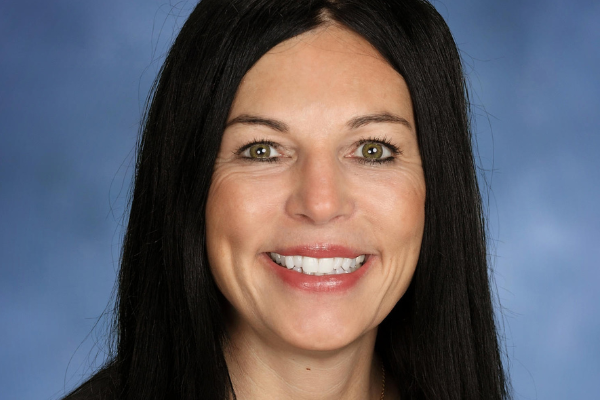
Erika is a Chief Client Officer & Cross-Country Skier & Trail Runner
Erika Flowers, the Chief Client Officer at Profitable Ideas Exchange (PIE), shares her journey from growing up in Montana and falling in love with cross-country skiing to racing professionally both in the U.S. and internationally. She reflects on how her passion for skiing helped her build strong friendships, instilled resilience, and taught her goal-setting, all skills she later found invaluable in her corporate career. Erika discusses the understated power of bringing your outside interests, or "Ands," into the workplace, believing these passions make people more human and effective in business. She explains how PIE's culture thrives by embracing diverse backgrounds and putting people first, aligning with their B Corp values. Erika encourages listeners to recognize the unique value of their outside passions and to seek out workplaces that truly support "living your best life." She closes by crediting her ongoing love for cross country skiing and trail running as continual sources of strength and inspiration both personally and professionally.
Episode Highlights
· Erika Flowers explains that her initial involvement in skiing was about making friends, but it soon evolved into a passion and a core part of her life.
· She highlights how the discipline, teamwork, goal-setting, and resilience developed through cross country skiing directly translate into valuable skills for her career and business, not just for athletes but for anyone with an outside interest or hobby.
· Erika Flowers stresses that sharing personal interests at work enhances authenticity, relatability, and connection with colleagues, ultimately making teams stronger.
· She describes how by PIE putting people first and becoming a B Corp all supports a healthy, human-centered environment that benefits both employees and clients.
· Erika Flowers encourages listeners not to shy away from their hobbies or “Ands,” even if they feel niche or irrelevant, because these interests are a source of genuine connection and distinct human value in any professional setting.
Erika's Photos

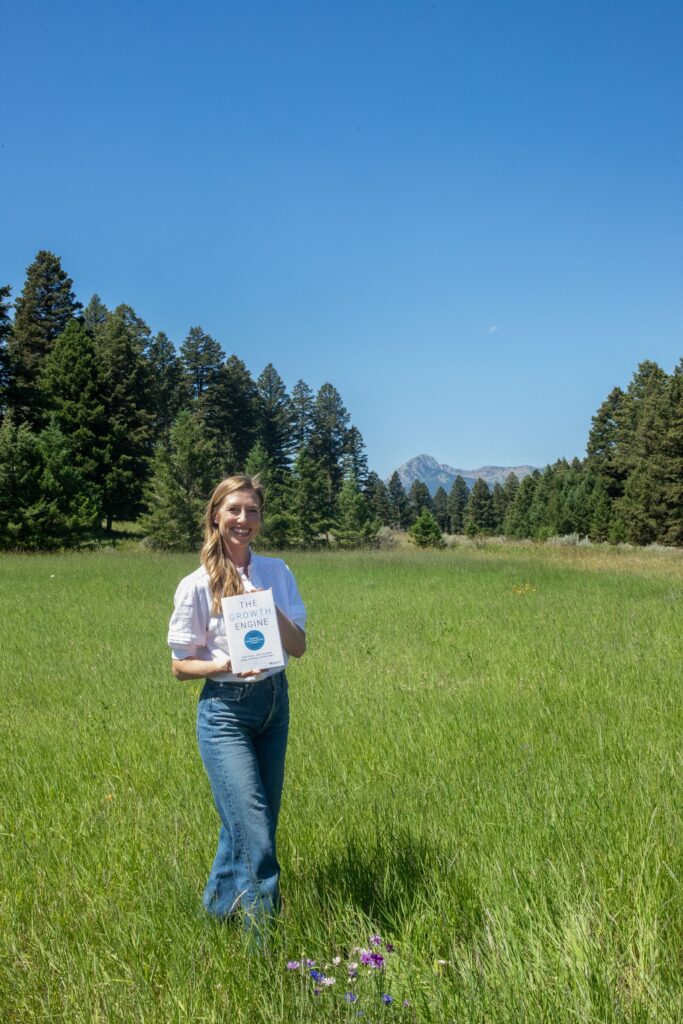

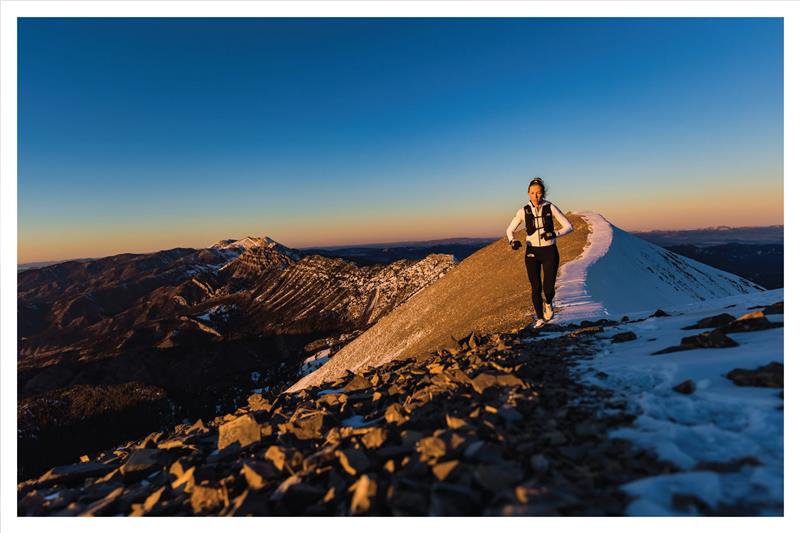
Erika's Links
Help Make Work Better
I need your help for 2 minutes to complete this important survey on work culture. Your anonymous responses will provide key insights to develop a new program for more positive and engaged teams.
Subscribe Now
 Apple Podcasts
 Spotify
 Podchaser
 Stitcher
 Overcast
 PocketCasts
 Acast
Acast iHeartRadio
 SoundCloud
Podcast Transcript
John Garrett [00:00:00]:
Hey, this is John Garrett. I’m passionate about making work more human, especially in this age of AI. I don’t just host this podcast, I also help organizations put people first through my keynote speaking, coaching and what’s yous and implementation programs. To learn more or to connect with me on LinkedIn or Instagram, I invite you to join the movement at www.whatsyourand.com now let’s jump into this week’s conversation.
Erika Flowers [00:00:27]:
Hi, this is Erika Flowers and when I’m not cross country skiing or trail running with the North Face, I’m listening to John Garrett and What’s Your “And”?.
John Garrett [00:00:35]:
Welcome to episode 697 of What’s Your “And”?. This is John Garrett. And each Wednesday I interview a professional who, just like me, is known for a hobby or a passion or an interest outside of work. And put it another way, it’s encouraging people to find their and those things above and beyond your technical skills, the things that actually differentiate you when you’re at work. It’s the answer to the question of who else are you beyond the job title. And if you like what the show’s about, be sure to check out the award winning book. It’s on Amazon, Indigo, Barnes and Noble Bookshop, a few other websites. All the links are at www.whatsyourand.com the book goes more in depth with the research behind why these outside of work passions are so crucial to your corporate culture.
John Garrett [00:01:19]:
And I can’t say how much it means that everyone’s reading it and writing such great reviews on Amazon. Thank you so much for those and more importantly, changing the cultures where they work because of it. And if you want me to read it to you, that’s right, this voice reading the book, look for What’s Your “And”? on Audible or wherever you get your audio books. And please don’t forget to hit subscribe to the podcast. You don’t miss any of the future episodes. I love sharing such interesting stories each and every week and this week is no different with my guest, Erika Flowers. She’s the Chief Client Officer at Profitable Ideas Exchange, better known as PIE out of Bozeman, Montana, and the co author of the book the Growth Engine, which is out now. And now she’s with me here today.
John Garrett [00:02:00]:
Erika, thanks so much for taking time to be with me on What’s Your “And”?!
Erika Flowers [00:02:02]:
Thanks John. It’s good to be here.
John Garrett [00:02:05]:
This is going to be a blast. Super fun. I have 17 rapid fire questions. Get to know Erika out of the gate here. You’re ready. You’re like I’ve seen crazier stuff than this. Like right, here you go. A favorite color?
Erika Flowers [00:02:19]:
Blue.
John Garrett [00:02:19]:
Blue. Solid. Yeah, mine too. How about a least favorite color?
Erika Flowers [00:02:23]:
Orange. My stepmother is a colorist and orange is first and foremost not in my color palette, but also it just. I can’t get behind it going with absolutely anything.
John Garrett [00:02:34]:
Wow. Okay. All right. All right. So Halloween’s like the worst. It’s just like. Oh.
Erika Flowers [00:02:39]:
Like it’s kinda.
John Garrett [00:02:40]:
Yeah, yeah. There you go. All right. Are you more sunrise or sunset? I guess both are orange now that I think about it.
Erika Flowers [00:02:46]:
Yeah, both are orange. Sun’s fine in the sky, just not on my body. No, I think sunrise. I’ve always been kind of a morning person, but in particular I have a 9 month old and he likes to wake up quite early. So I get to see the sunrise every morning.
John Garrett [00:02:59]:
There you go. Might as well embrace it, right?
Erika Flowers [00:03:01]:
Yeah, exactly.
John Garrett [00:03:02]:
There you go. How about a favorite actor or actress?
Erika Flowers [00:03:05]:
Julia Roberts. I love the character she plays and I feel like she. Yeah. Anytime I watch her, it just makes me feel joyful.
John Garrett [00:03:13]:
Nice. Yeah. Joyful. What a great word. That’s awesome. Yeah, she’s great. How about toilet paper roll? You go over or under?
Erika Flowers [00:03:20]:
There’s only one answer. It’s over.
John Garrett [00:03:22]:
Okay. Right. Are you one of those that changes it when you go to like a friend?
Erika Flowers [00:03:28]:
Yeah, absolutely.
John Garrett [00:03:30]:
That’s great. I love. How about your first concert?
Erika Flowers [00:03:33]:
Crosby, Stills and Nash.
John Garrett [00:03:35]:
Solid.
Erika Flowers [00:03:35]:
It’s a great one. I was with my family. My sister slept through the entire thing.
John Garrett [00:03:41]:
Yeah. I hope you remind her of that periodically.
Erika Flowers [00:03:43]:
Every year.
John Garrett [00:03:45]:
Every year. That’s great. How about puzzles? Sudoku crossword, jigsaw puzzle.
Erika Flowers [00:03:49]:
Wordle.
John Garrett [00:03:50]:
Wordle.
Erika Flowers [00:03:51]:
Does that count?
John Garrett [00:03:51]:
Okay. Yeah, that totally counts. I haven’t gotten into that yet. I’m kind of scared, I think because it sounds addictive.
Erika Flowers [00:03:58]:
Is. But it’s nice because it’s. You get like a little boost of adrenaline cuz you can pretty much always solve it. Whereas Sudoku crossword. I feel like I never. I never get to the end. Whereas the wordle, I can generally do it in five to ten minutes or less. So it.
Erika Flowers [00:04:11]:
It feels good. A good way to start the day. You’re like, oh, I’m good at something.
John Garrett [00:04:14]:
Yeah. Cuz a crossword, I mean there’s like 150 answers or whatever. It’s like I don’t. Yeah. I mean maybe on a flight, but even then you bounce to the second to last page where the answer is, all right, how about Star wars or Star Trek?
Erika Flowers [00:04:28]:
Star Wars. Always been a Star Wars. Fan Never really got into the Star Trek.
John Garrett [00:04:33]:
Yeah, same. I don’t know, I just sort of missed it. How about your computer? You a PC or a Mac?
Erika Flowers [00:04:38]:
I was always a Mac person and then I started my first, what I call my first kind of big girl job and we were on PC and now I’m like so integrated into the PC world that I feel like it’s hard to transfer back to a Mac.
John Garrett [00:04:53]:
Yeah, I’m just not cool enough for Mac.
Erika Flowers [00:04:55]:
Also that same.
John Garrett [00:04:57]:
You were in there. You were definitely. How about ice cream? Do you go in a cup or in a cone?
Erika Flowers [00:05:02]:
Cone, always. But I like a cake cone. Not a. Everyone likes the sugar cones, you know. But I think the cake cone is perfect because as the ice cream melts, it makes it kind of soft and so at the end it’s like ice cream infused cone.
John Garrett [00:05:16]:
Yeah. And there’s not a hole in the bottom like there is in the sugar cones.
Erika Flowers [00:05:19]:
Exactly.
John Garrett [00:05:20]:
So it’s just all caught right there and just. Yeah. One really great bite at the bottom you go more heels or flats?
Erika Flowers [00:05:28]:
I don’t know if I can say both. Yeah, it depends on the occasion. Like, I love wearing a good pair of heels just because it’s different from what I wear in the day to day. But I also love a classy pair of flats that you can kind of trump around the city with or walk around town with.
John Garrett [00:05:44]:
Yeah, totally. I mean I. I anticipated flats as the answer just based on your. Your ands. Cuz. Yeah. Kind of tricky to do those in heels, I imagine, but it’s true.
Erika Flowers [00:05:53]:
But yeah, heels can be powerful if you really own them. Like, I don’t know, they’re like a power shoe.
John Garrett [00:05:59]:
Totally. How about airplane? Do you go window seat or aisle seat?
Erika Flowers [00:06:02]:
Aisle. Every time. I hate being trapped by the window. I need to have a quick escape.
John Garrett [00:06:06]:
Okay. Okay. How about as a kid, a cartoon? Your favorite cartoon?
Erika Flowers [00:06:11]:
Arthur.
John Garrett [00:06:12]:
Oh, wow. I forgot about Arthur.
Erika Flowers [00:06:15]:
Yeah.
John Garrett [00:06:15]:
Wow.
Erika Flowers [00:06:15]:
Such a good one. So wholesome.
John Garrett [00:06:17]:
Yeah. Favorite number?
Erika Flowers [00:06:19]:
27 or 32.
John Garrett [00:06:22]:
Yeah. Are there reasons?
Erika Flowers [00:06:24]:
I don’t know. I would have said I liked odd numbers. And 27 is nice because it’s an odd number. And then 2 plus 7 is also an odd number. But 32 is even. But I like that it adds up to five.
John Garrett [00:06:34]:
Yeah.
Erika Flowers [00:06:34]:
Yeah.
John Garrett [00:06:34]:
But it’s also a unique number. I mean, I don’t think I’ve had either of those as a favorite in the 600 plus episodes. Almost.
Erika Flowers [00:06:41]:
Okay.
John Garrett [00:06:42]:
So yeah, they’re unique, that’s for sure. How about pineapple on a pizza? Yes. Or no.
Erika Flowers [00:06:46]:
Oh, hot take. No, I’m not a big Hawaiian pizza fan.
John Garrett [00:06:51]:
Yeah. I mean, I’m like, well, why not? I mean, maybe if it’s not for you, but, like, I love how people are, like, really militant on it.
Erika Flowers [00:06:56]:
It’s not for me, you know?
John Garrett [00:06:58]:
Yeah, no, totally. That’s totally fair. How about for books? Since you co authored one, you go, Kindle. Real book, Audiobook.
Erika Flowers [00:07:06]:
Real book. I love real book. I should probably embrace a Kindle because I feel like the stack of books next to me just keeps growing. And trying to pack those on trips is hard, but I love being able to, like. I don’t know, something about having paper to touch. And I also am a big note person. I like being able to, like, write in the book, on the book.
John Garrett [00:07:23]:
So then you own it. Now it’s mine.
Erika Flowers [00:07:25]:
And you see the progress, right? Like, as you’re reading. I know the Kindles, they’ll give you like, a 30%, but it feels different than, like, when you’re halfway through a book and you’re like, yeah, I’m halfway through. Yeah.
John Garrett [00:07:34]:
You see the bookmark in the thing?
Erika Flowers [00:07:36]:
Yeah.
John Garrett [00:07:36]:
All right. There we go.
Erika Flowers [00:07:37]:
So satisfying. It’s like real, tangible progress.
John Garrett [00:07:39]:
That’s a great point. That’s a great point. The last one. The favorite thing you have or the favorite thing you own?
Erika Flowers [00:07:44]:
Favorite thing I have or the favorite thing I own? That’s the hardest question.
John Garrett [00:07:48]:
It is. And you don’t have to take it, like, I mean, of course, your baby and your family.
Erika Flowers [00:07:52]:
Yeah, yeah, yeah. You know, hopefully I don’t own them, but. Yeah, yeah.
John Garrett [00:07:55]:
Well, yeah, that’s why I say you have. Because.
Erika Flowers [00:07:57]:
Yeah, yeah, the favorite thing I have. So I have a. I have a letter from my mom that she wrote me. My mom passed away when I was 17, and she wrote it to me. Me in the couple months before she passed away. And every once in a while I’ll go back and read that. And I think that’s the favorite thing I have her own because it’s her handwriting and. Yeah, it’s just a way to make me still feel.
Erika Flowers [00:08:16]:
Feel close to her, even though she’s been gone for a long time now.
John Garrett [00:08:19]:
Yeah. That’s awesome. Yeah. Very, very cool. So, yeah, let’s talk cross country skiing. How did that get started? Was it something you grew up doing or you just stumbled into later or how’d that get going?
Erika Flowers [00:08:33]:
Yeah. So when I was about 10 years old, my family moved from a one town in Montana called Missoula, about three hours kind of southeast to Bozeman Montana. And before that, I thought I wanted to be a famous actress. I was very into theater. We moved to Bozeman. I had no friends. I was very sad to be leaving this children’s theater in Missoula that I loved. My parents signed me up for the ski team because the only people they knew in Bozeman had two young girls who also skied.
Erika Flowers [00:08:59]:
And it was how I made friends. And I think I just fell in love with this group of girls. Yes, I liked the skiing, but I fell in love with this group of girls that I got to know through the ski program in Bozeman, through the Bridger Ski Foundation. And it was something that I. Yeah, I think from the time I was 10 on, it became kind of a core part of my life, both from kind of my social circle and what I was doing socially. But then I think as I got older, I started to figure out, hey, I might actually be able to be kind of good at this. And I think I loved the physical piece of it as well.
John Garrett [00:09:31]:
Yeah. And so the ski team. So it was cross country skiing and downhill, or just the cross.
Erika Flowers [00:09:36]:
Cross country skiing. So I grew up kind of recreationally downhill skiing in Missoula, Montana. There’s good downhill skiing there, too. I’d never done cross country skiing until I moved to Bozeman, and my parents signed me up basically just to. As a way to make some friends. And so it was all cross country skiing. We train a couple times a week as a group. We’d do summer training, kind of dry land where you’d run and roller ski and bike and lift weights and that sort of thing.
Erika Flowers [00:09:58]:
And so the first few years, I just. I just did it because it was what all my friends were doing. And then I think, turns out my friends on the team were quite fast, and I wanted to be able to go on these trips to junior nationals and to Scandinavia with them on these trips that they were qualifying on. And so I got pretty into the training for it and setting goals around it and trying to get better at it.
John Garrett [00:10:17]:
That’s cool.
Erika Flowers [00:10:18]:
Yeah. In middle school. Yeah.
John Garrett [00:10:19]:
Yeah. So do you have some. I mean, those sound like some pretty awesome memories and some pretty. Pretty fun trips. Do you have some. Some races or some of those trips that come to mind? It’s like, wow. That was. Those were the good old days, for sure.
John Garrett [00:10:30]:
Yeah.
Erika Flowers [00:10:31]:
There are kind of two in particular while I was in high school and then certainly many when I was kind of racing full time after college. But in high school, I remember my first junior Olympics was at Lake Placid, New York. And the awards ceremony, it was four races. And the awards ceremony, after every race was on what I call, like, the miracle ice. Like the ice in Lake Placid where us beat the Soviet Union. I was gonna say. I was like, can’t say Russia, Soviet Union.
John Garrett [00:10:55]:
Right, right.
Erika Flowers [00:10:56]:
In the 80s. And I think, like, that I. You know, I’d watched the miracle movie, that that moment had a lot of meaning. And to see kind of some of my teammates go up on stage, they awarded the top 10 on the Miracle ice with the lights on them. Like, for me, I remember being really emotional and like, wow, like, I want to be on that ice one day. And so I remember I wrote home. I went home and I wrote my first training plan for myself. And it was sort of things like, run around the block three times and stretch for 15 minutes and try and touch your toes, like, very simple things.
Erika Flowers [00:11:27]:
But I think it was really motivating for me to see some of my friends and teammates up there and. And so spent, like, the whole next year, like, doing everything I could to try and get on the podium. And. And the next year, I ended up qualifying to go to what’s called a Scandinavian cup, but it was a trip for kind of the top six junior skiers my age to go race in Norway against some of the best skiers in the world. And so that was in particular, I think what really hooked me is racing internationally for the first time, because cross country skiing in the US Is huge sport, but in Europe it is. And particularly in Norway, it’s like the national sport. And so racing in that environment was incredibly inspiring, and I think made me excited to keep seeing what I could do in that sport. So those are certainly memorable.
Erika Flowers [00:12:08]:
And then, I know I talked about my mom earlier, but I was a junior when she passed away. And the Junior Olympics that year were in Park City, Utah, and she actually passed away while I was at a ski race earlier that year. So I had not been home, but ended up still qualifying for the Junior Olympics that year and going. And I won my first Junior Olympics race that year. And so that was super meaningful for me at the time, I think very emotional. Obviously, my dad and sister and family and everyone was there, but that was probably the most memorable race I’ve ever had.
John Garrett [00:12:36]:
That’s awesome. And your sister didn’t sleep through it, so that’s great.
Erika Flowers [00:12:39]:
I’m teasing. Exactly.
John Garrett [00:12:42]:
Just one last dig in case she’s listening. I don’t even know her, but whatever, it’s fine. No, but that’s beautiful. I mean, wow. Like, but I mean, how cool is that? Like, I imagine in Norway, is it like people are lining the side? Like, I mean, there’s cheering. Like, it’s not like here in the US you’re like, am I even on the trail? Like, I don’t even know if I’m going to Norway, you know? Right.
Erika Flowers [00:13:02]:
No, in Norway, it’s like going to, I mean, different stadium, but it’s like going to a football game. I mean, people will camp out on the side of the trail for days and tailgate these races. They will line the course with torches and with ice candles, and people will have barbecues, like, and this is in the middle of the winter, mind you, but people will literally camp on the side of the trails at some of the biggest races in Norway. And you see everyone from tiny children to very kind of old grandparents out on the ski trails. So it’s very much part of their culture, which is pretty special.
John Garrett [00:13:33]:
That’s so cool. I mean, like, what awesome memories to have, you know, and things that just remind you of, like, you know, just being fully alive and like, just like, man, this is. This is deep inside me, you know, and it’s so much so that, I mean, you know, like, you see it, then you go and make the training plan. No matter what it is and how silly it sounds, you know, at the time, it’s like, well, you know, there’s. You have to work to get the thing. You know, it’s like, you don’t. Doesn’t just happen on accident.
Erika Flowers [00:13:58]:
It’s true.
John Garrett [00:13:59]:
Do you feel like any of this translates to work? Like when you transitioned from, you know, professional athlete to, you know, corporate, how does that translate, you know, translate over?
Erika Flowers [00:14:11]:
So it’s a great question. I. So I skied throughout college. I raced for Dartmouth College for four years, and then I went on and joined a professional cross country ski team based out of Southern Vermont called the SMS T2 team that’s still running today. Jesse Diggins, kind of the best skier in the us kind of multi medalist at the Olympics, still races for that program. So I joined that program kind of in her very first year. She and I and one other gal started that with a couple of guys, and I think for those six years, they were some of the, like, most incredible. Like, I wouldn’t trade those years for anything.
Erika Flowers [00:14:42]:
I thought I wanted to go to med school, took a hard pivot, decided to pursue ski racing full time, and then at the end of those six years. So in 2018 was when I was like, okay, I think, like, I’ve kind of run my course in this sport. I have other kind of interest, passions I’m excited to pursue. I was vaguely interested in the world of business. I think as a skier racing full time, you almost have to create your own business, you have to market yourself. You have to align partnerships and sponsorships to be able to fund your racing. Certainly you’re setting big goals and objectives and trying to achieve those. And yet I didn’t at the time totally see the overlaps with business.
Erika Flowers [00:15:18]:
I think that was certainly a fear. Being six years out of college, not closely tied to the working world. I was very unsure how that would translate to the business world. And I think what I’ve learned is that those six years were probably the most valuable in terms of making me someone who could add value kind of in the corporate world. And I think that’s something that one. A lot of athletes probably don’t always realize or recognize that the skills they’re building and pursuing sport, particularly at a high level, are incredibly powerful in the working world. And I also think it’s something that not all businesses recognize the value in either. Like, I think it’s.
Erika Flowers [00:15:53]:
There’s huge advantages that are maybe missed at times because we assume they’re such different worlds. But I found there’s so many times where there’s overlap between what I learned in sport and how I’m applying it in the working world. I think we have this book coming out this fall, the Growth Engine and our first round of edits from our editing team. We had a team of a couple of folks here at PIE who kind of gave us our first rounds of feedback. Their first feedback from you was Erika. Too many sports stories. I was like, oh, okay, good, noted.
John Garrett [00:16:22]:
You know, like, really, what’s too many? I mean, you know, all of them. Okay, I’ll throw one theater story in there from when I was 10, precisely.
Erika Flowers [00:16:31]:
But I think that’s what I draw so much of, of what I do here at PI from what I learned from sport, first in skiing and now in running, that I think there’s tons of overlap and sometimes it’s just kind of looking for it.
John Garrett [00:16:44]:
It’s really awesome that you were able to see it. And like you said, it’s just, you know, just look for it, it’s there. And it’s not just, I mean, definitely athletes and then professional athlete, that’s a whole other level. I mean, the mental toughness, the focus, I mean, all that is a next level thing. And when you, when you talk about that. But even if you’re just somebody that likes to do painting at the sip and paint or whatever, you know, like your and matters. And if you look for it, I promise you it impacts your work. Maybe it’s not a skill exactly, but it’s a relatability factor.
John Garrett [00:17:16]:
There’s something there that makes you unique at work, that if you share it, good things happen. Like, was there ever a part of you that thought, oh man, I better not tell people about that six year gap type of thing or what I did or what I like, or even now you know, your hand now.
Erika Flowers [00:17:34]:
Yeah. Like maybe I was just naive and didn’t think to not share it with people because it was so.
John Garrett [00:17:39]:
Like you were so much. I told you I did come.
Erika Flowers [00:17:42]:
Yeah.
John Garrett [00:17:42]:
They’re like, what? Yeah, it’s like, I didn’t know I was supposed to lie.
Erika Flowers [00:17:45]:
Totally. It was so much of who I was and who I am, frankly, that it felt inauthentic to not share it, if you will. And so I think I’ve just learned that one. It has shaped so profoundly who I am and how I show up that I think people knowing that’s actually quite helpful can help them kind of orient against who I am. And I also think it honestly kind of in the same way when you say you’re from Montana, you get this, this kind of coolness credit that I think comes from probably the Yellowstone show or something else. Like, there are plenty of not cool people who live in Montana too. But you say you’re from Montana and people immediately lean in and are like, oh, Montana, I’ve heard about that. But cross country skiing honestly is a little bit similar because it’s such a kind funny niche sport.
Erika Flowers [00:18:28]:
People are like, why do you do that? Why do you ski uphill when you can ski downhill? That’s crazy.
John Garrett [00:18:33]:
Let’s downhill sometimes a little bit.
Erika Flowers [00:18:35]:
Yeah.
John Garrett [00:18:35]:
But like it’s not down downhill. But yeah. That’s hilarious. Yeah. Because I mean, I’ve probably, I don’t know, maybe three times, like when I was a kid in Ohio, like maybe with. Once was with Boy Scouts, I think. And I love on accident.
Erika Flowers [00:18:47]:
And then you’re like, it’s on accident. Exactly.
John Garrett [00:18:51]:
Bowling. It’s like bowling for me where it’s like, it was fun. I don’t need to do that again for a while. Everything hurts. I’m good. You know, like, it’s, it’s. But, but I think it’s fantastic that that’s like you just said, it’s. It’s who you are and it helps Others see these pieces of you that matter and the you that’s beyond the job title type of thing.
John Garrett [00:19:14]:
And then you can create those connections. And now that you’re back in Montana, or not back, but in Montana, I mean, other people cross country ski there.
Erika Flowers [00:19:21]:
It’s true.
John Garrett [00:19:22]:
They know. So you can create these connections and it’s fantastic that, you know, you’re able to see it now. You know, where before you were like, oh, there couldn’t be two things more removed than professional athlete and corporate job. And actually they, they couldn’t be more aligned.
Erika Flowers [00:19:37]:
Yeah, more aligned and just complimentary. Like, like everything you’re saying, both in terms of. Yeah. One, it makes you a human who has interests outside of the office that people can connect with because they probably also have interests outside of the office. But everything from being able to set up like a goal or objective and then work backwards to figure out what are all the things I need to do to get there is so important to be able to do in the world of business and to do effectively how to work with teams of people to get to those goals. Skiing is an individual sport, but the only way you get to the finish line first is with a really great wax tech, a great coach, teammates you can train with to push you. And I think the same is true in business. You have to be able to work cross functionally across an organization to around kind of a shared objective and to find, you know, this person is, is really good at this.
Erika Flowers [00:20:27]:
We’re going to pull them in for that. This person’s a really good writer. We’re going to pull them into, you know, author some thought leadership, for example. And I think the same is true in cross country skiing. Yes, there’s, there’s one winner. At the end of the day, it’s an individual sport unless you’re doing a relay. But, you know, there’d be days where I’d be doing intervals and I was really good at skate skiing. And so I would lead those intervals.
Erika Flowers [00:20:48]:
But then on days when we’d be doing double pole intervals, which is just a different technique in the sport, I was not very good at that. And so I would follow Jesse, for example. And having being able to rely on each other’s strengths, knowing that you’re all working to get to the finish line as fast as possible, I think is something that’s absolutely translated to the world of business. And, you know, half of your job is figuring out what is it that people’s strengths are, what are their super strengths and how do we draw on those to make us all a lot better.
John Garrett [00:21:15]:
Yeah. In some of my research that I’ve done, you know, people say, well, we don’t get paid to socialize or we don’t get paid to know each other. And it’s like, no, no, these ands matter. I mean, it’s not just your degree and your technical skills. It’s also the ends. You know, these are the. How do we. What clients do we put people on? What kind of projects do we put people on? Like, all of that matters as far as, like, what’s your super skill? And your super skill isn’t just the technical stuff, because a lot of people have similar technical.
John Garrett [00:21:41]:
But when you put the and on there, all of a sudden it’s like, whoa, totally different type of stuff. And that’s what I love that PI does as well. You know, some of the. I guess, how does PI work to help people to share their ends or. Or encourage this? And even as a B corp, which I think is great that you guys did that as well. And maybe I’m asking eight questions all at the same time. So maybe we just start with what. What does PI do to, you know, just encourage people to share their ants.
Erika Flowers [00:22:09]:
Yeah. So I think we’ve realized one of our, I’d say even strategic advantages in the world of professional services is that we are a human first business. And especially as AI and technology continue to disrupt how businesses work, I think the thing that stands us apart from kind of our competitors or anyone else in the market is that we lean into that human aspect. So if you look at our website, no one who works at PIE has the exact same background. It’s not like everyone came from one of the big four and now works for pie or everyone went to business school and then came to pie. We have people who used to be professional chefs, used to run health clubs, used to work in the sustainability space, were teachers, for example. And I think that’s kind of our superpower as an organization. One, because it.
Erika Flowers [00:22:53]:
It allows us to be human and show up for our clients as human, especially in a world that increasingly feels less human in some ways very much. And I think allows us. Our whole job is to help our clients build meaningful connections and trust and credibility with the clients they’re looking to serve. And when I say client, I mean person. Not company, not account person. And to do that, you have to be human first. And I think we recognize that as an organization, and so we. We embrace it.
Erika Flowers [00:23:22]:
We have, you know, many different ways in. In which we do that, but I think first and foremost, I think we often say pie is in service of, of our lives and not the other way around. And I think that signals to our employees that, that this job is to help you live, live your best life out of here. Your life is not in service to this, this company. Yes, we care about doing well and yes we care about our clients and, and ultimately kind of growing as an organization. But that’s not the be all end all at the end of the day.
John Garrett [00:23:49]:
Yeah, I love that so much. I mean, I think that all of those other things happen accidentally if you do take care of your people. I mean if you’re living, your people are living your best life, if you’re living your best life, you’re going to accidentally do your best work. You know, it’s almost like if you take care of them, then you’re going to have to pass go, you’re going to have to collect $200, you’re going to have to have a succession plan, you’re going to have to be profitable, you’re going to have to get the best clients. Like it’s all going to happen. If you take the fifth step of take care of our people, then 1, 2, 3 and 4 are going to happen. Like it’s just, and, and, and I feel like so much corporate is based on just that first step of, you know, clients first and foremost and only and make money, you know, and, and it’s like, well, you know, not at all costs. I mean, come, come calm down.
John Garrett [00:24:38]:
And so it’s, it’s cool to hear that it’s successful. Like it’s, it’s, it’s a living, breathing example of. It doesn’t have to be, you know, profit over everything and you know, clients only. You know, it can be all of it. You know, it’s people and clients which, the clients are people too, like you said. And you took it to the B corp level, which is really cool. And what, what was the driver on that? Just, I guess we’re doing it, might as well get the, get the certification.
Erika Flowers [00:25:05]:
Yeah, so I think in part that’s true. Like we, we felt like all these things were important to us anyways. But having a, a certification not only gives you some external accountability to the things you say you’re doing, but it also forces you to measure those things on a semi regular basis and reevaluate where you might want to make improvements, where you need to make improvements, things that are serving you or no longer serving you. So I think for those two reasons, making it official felt important. The accountability piece. And also it’s just a good practice to look back and see how you’re doing and if you’re continuing to buy by the things that matter to you as a company. I, when I was ski racing, very part time, I was working for this company called Carol cone on Purpose, which is a social impact consultancy based out of New York. And so that was the first time I got exposure to the power of business to do good in the world, not just as a profit machine.
Erika Flowers [00:25:57]:
And I loved that model. The fact that, you know, you could do well while also doing good felt so cool to me. And so when I came to pie, that was one of the things I remember asking our CEO, our then CEO Tom McMinn about is saying, have we ever, you know, considered B Corp certification? Is that something we would do? It feels like our whole job is, you know, connecting people around the world who have problems to help them find solutions and doing it in a way that serves our people in our community that feels like it would be in line with it. And, and I want to work for a company that cares about that. And so part of it was selfishly like, as I was going from this thing that I was so passionate about, ski racing and coming to the corporate world, I was like, I want to feel good about this place. I’m taking in the corporate world. And, and this feels like a way to do that and, and put some structure and rigor around it rather than just saying, yeah, we think we’re a good company and we think we feel good about it, but actually get certified to say, no, we can stand by all these things that we’re doing and someone else outside of us, a third party has put a stamp of approval being like, yes, you’re kind of doing well, not just by your shareholders, but by all the stakeholders that are impacted by your work.
John Garrett [00:27:01]:
Yeah, no, it’s awesome. And I mean, I just wish that more professional services organizations or just organizations in general could just think this way, even just a little bit. I mean, eventually the certification, but just think this way just a little bit and they’re out there, which is really cool. But just more, please. And shout it louder. Lean into it more, don’t shy away from it. It’s not an accidental thing. It’s, I would imagine, like recruiting wise.
John Garrett [00:27:29]:
I mean, that would be the first thing I tell people, like, well, we’re a B corp, you know, and then. Well, what’s that? Well, let me tell you. And then it’s like, go, go around the rest of the recruiting Fair and ask them if they’re B corpse and then come back, you know, and it’s like I got only one and it’s you guys. So. All right, you want to talk? I mean that’s a huge recruiting point. But it also shows that it’s, it’s not just a merit badge. It’s who you are and kind of like your, and I mean that cross country skiing. I can’t tell you to not do it.
John Garrett [00:27:57]:
It’s like, wait, what? I mean I’m going to do it. I mean, you know, it’s, it’s who you are. And the B Corp thing is the same thing. So it’s, it’s not something you can fake. It’s not. But a best places to work thing where you can force the survey or buy your way onto a list or all these things, it’s legit at the core and I think it’s awesome. So kudos. Just more encouragement.
Erika Flowers [00:28:19]:
Thank you.
John Garrett [00:28:20]:
To keep going, shining a light on that and everybody listening. Fall in line, do that even just a little bit.
Erika Flowers [00:28:26]:
Take a step and there’s work to be done. I know B Corp is doing a good job trying to structure the criteria more for professional services or have different questions based on type of industry. Like I will be honest that a lot of it is targeted towards more consumer packaged good companies, those with large supply chains of manufacturing. And so that was one of the things that we noticed in going through it and I think based on feedback from companies like ours and others just noting the need to address the other types of business with kind of perhaps different criteria even sometimes. So you know, if we fill out our supply chain, even if we made changes to our supply chain, the impact on the world is so minimal that it doesn’t actually feel like the right place to be getting points to get your certification. Right. Like there are other things we could be doing that are much more meaningful. And so it’s been also cool to see B Corp start to evolve some of the certification criteria accordingly.
John Garrett [00:29:15]:
Yeah, that’s awesome. And so for people listening, if they have an and that they feel like no one cares about or if they are at an organization and they want to start taking these first steps. Do you have any words of encouragement.
Erika Flowers [00:29:28]:
To people listening for companies trying to become B Corp certified or just.
John Garrett [00:29:33]:
But the individuals at the companies, even that have an and that they feel like no one cares so why share it or why be human centric or any of this?
Erika Flowers [00:29:42]:
Yeah, I mean I think it starts with a conversation. We’re all people and I think we’re all better when we recognize that and find ways to draw that human piece. Like, if you’re not, then a bot might as well be doing your job. Right. Like, the distinct humanness of each of us comes from our ands, and I think that’s what allows you to. To make a difference in a meaningful way.
John Garrett [00:30:05]:
I love that. That’s awesome. Well, I feel like this has been really, really fantastic, but it’s only fair that I turn the tables and make this the Erika Flowers podcast, since I rudely peppered you with questions at the beginning. So I’m in the hot seat. I’m all yours. What do you got?
Erika Flowers [00:30:22]:
So I have this conversation with friends sometimes about what’s kind of one of your top five talents. And I think of a top five talent. Not as, like, I’m really good at leading a professional services company, but, like, I’m really excell at making a cheese board. And so I’d be curious, what is it? It’s like the talent that is not really critical to the success of you or your company or your business, whatever you’re doing, but is still something that you would put on your top five talent list. I’m curious, what is one of two of yours?
John Garrett [00:30:50]:
I’m really good at planning vacations. Like, really good. Like, researching, you know, all up in TripAdvisor, finding the deals, finding, you know, this is the best place to stay because of these reasons, and maybe too much time, but I’d rather spend that time beforehand to maximize that experience. If I’m going halfway around the world, because I might not come back for a while, so I might as well maximize that. So planning a vacation, I’m legit really good at that. I’m also really good at a concert. I mean, not just at the concert, but when the band is sort of getting into a song but they haven’t started it yet. I know the song they’re getting ready to play only because I’m musically trained.
John Garrett [00:31:30]:
And. And so I’m like, this is the key. This is okay. This is the song they’re getting ready to go play. And so I’m really good at that, but I try not to shout it out loud. So then everyone’s like, you know, I don’t want to ruin it for everybody, but it just makes me extra excited to know, like, this is the song they’re getting ready to go play. So that’s a pretty odd skill to have and something that I never really thought about until right now. That, yeah, I’m legit Good at that.
John Garrett [00:31:55]:
But it’s fun because then, you know, I queue up the lyrics and I’m ready to go. All right. So I don’t have to, like, catch up. It’s like, oh, I was ready. You know, it’s almost like I’m in the band type of thing.
Erika Flowers [00:32:05]:
Yeah. Very cool. Okay, one other question. You’ve been doing this. This is what, episode 600 or something?
John Garrett [00:32:11]:
697.
Erika Flowers [00:32:13]:
697. So in the almost 700 interviews you’ve done has interviewing others about their and prompted you to add anything else to your and listen, like, explore other new things based on what you’ve heard.
John Garrett [00:32:27]:
People interesting. You trying to sneak me into the cross country club here? Is this what’s happening?
Erika Flowers [00:32:33]:
Perhaps.
John Garrett [00:32:34]:
There you go. So during COVID I did get a rower. I never rode. I don’t know people that row. Like, I’m not a rowing person. I mean, I’m tall and lanky, so I look like rower kind of. But during COVID I was like, all right, let’s just do this. And it’s been great because in like 10, 15 minutes, you get full body.
John Garrett [00:32:55]:
I mean, it’s good for heart and lungs. It’s good for legs, it’s good for arms, it’s good for back. I mean, chest, like, so it’s very efficient. So I do enjoy that part of it. So I picked that up. But a lot of them are interesting. But it’s like what I’d love to do, honestly. Then my ultimate dream is.
John Garrett [00:33:13]:
You know how Mike Rowe has that show called Dirty Jobs where he would go around and do people’s weird, odd dirty jobs. I would love to have a show where I just go around. Like, I come to Montana, we go cross country ski, we do this interview, we talk about it, we talk to your co workers. Like, how does cross country skiing make Erika better at her job? Like, it’s a show highlighting the humans that work in corporate, and I just go around and do it. And yeah, I’m not great at cross country skiing and I’m okay with that. But it would be fun to do, you know, just to go around and do the ends with the people that. And see them just come alive, you know, because I get to see you, but people listening to podcast don’t get to see, I mean, your eyes and. And your.
John Garrett [00:33:53]:
You can hear it in your voice, though. But like, just how fully activated all of my guests are, you know, just. And so it’d be really cool to just do a show like that. And who knows, one day. But I’m not exactly sure all the routes to. To do that, but now that there’s all the streamings and all the things, it’s possible.
Erika Flowers [00:34:11]:
That’d be great. Well, we can. Yeah. Start with Montana. You can come out here, come in like, November. So we could go cross country skiing in the morning and then pause, get some lunch, and then we could go for a trail run in the afternoon, and then you can get both of my hands.
John Garrett [00:34:24]:
Okay. Okay. All right. There we go. Yeah, that’d be a great pilot episode. I might sleep the next three days after doing both of those on your level, but whatevs, we got it on tape. But that’s kind of my ultimate dream is just. Just showcasing more of this in a bigger way because it matters.
John Garrett [00:34:41]:
It’s. It’s. And so. So thank you so much, Erika, for being a living example of what’s your. And. But also being a part of the show. So thank you so much.
Erika Flowers [00:34:48]:
Thank you, John. Appreciate it.
John Garrett [00:34:53]:
Absolutely. And everybody listening. If you want to see some pictures of Erika out on the trails or connect with her on social media or buy her book The Growth Engine, be sure to go to whatsyourand.com everything’s there and all the links are there. And while you’re on the page, please click that big button. Do the anonymous research survey about corporate corporate culture. And don’t forget to check out my book as well. And thanks again for subscribing on Apple podcasts or whatever app you use and for sharing this with your friends so they get the message that we’re all trying to spread that who you are is so much more than what you do.